As a hydrogen station supplier who’s spent the last 12 years installing and maintaining refueling points across mid-sized U.S. cities and rural industrial hubs, I’ve lost count of the times local business owners ask a version of the same question: “Okay, hydrogen cars are good for the planet, but what does that mean for my bottom line?” For too long, the conversation around hydrogen has been stuck on climate rhetoric or tech hype, with almost no practical talk about how these stations shape the towns they’re built in. This isn’t just a matter of abstract economic impact—every station I’ve delivered, serviced, or expanded has left a tangible mark on local jobs, tax revenue, and small business growth. Let’s break that down, no jargon, no sales fluff, just what I’ve seen first-hand. Hydrogen Station
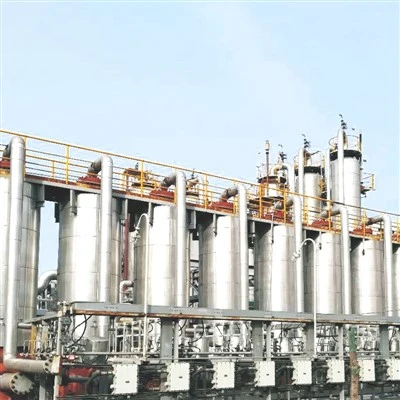
First, let’s ground this in a simple fact: building a hydrogen station isn’t just digging a hole and installing a pump. The process creates jobs, and not just temporary construction gigs. When we land a project, we don’t just hire a few local contractors for a week—we engage local engineers, electricians, plumbers, and even administrative staff from nearby small businesses. For example, two years ago, we installed a station in a former manufacturing town in western Pennsylvania, where the local coal plant had closed 15 years prior, leaving a 20% unemployment rate in the local zip code. That project required 12 weeks of site prep, and we hired 18 local workers for that phase alone—most of whom had experience with industrial infrastructure, even if they were new to hydrogen technology. We also brought on a local electrical firm to run the high-voltage wiring needed for station compressors and fuel cells, which brought in an extra $120,000 in revenue for that small business in just one quarter. Those jobs aren’t temporary: once the station is operational, we keep 2 to 3 local technicians on staff for regular maintenance, repairs, and 24/7 emergency service. That station now supports three full-time roles, each with benefits, in a town where stable full-time work was a rare commodity.
It’s easy to write off construction jobs as a one-time boost, but the operational ripple effect is where the real economic momentum starts. Hydrogen stations aren’t just a place to refuel—they’re a hub for fleets, the backbone of many local economies. Let’s take a rural area in central Ohio, where we installed three stations last year for a regional distribution company that uses heavy-duty trucks to deliver groceries to 27 small towns across the state. Before those stations, the company had to route its trucks 80 miles round-trip to the nearest gasoline station for refuels, which added 2 hours a day of idle time and $0.75 per mile in fuel costs. Since we installed the stations at each of the company’s three regional depots, those extra routes are gone, cutting fuel costs by 22% and boosting fleet efficiency by 19%. That savings didn’t just go back to the corporation—it’s been passed to local grocery stores, which now pay 15% less for delivery, meaning lower prices for consumers in those small towns. It’s a domino effect: when a major local employer saves money on logistics, they reinvest that into the community, whether that’s expanding warehouse space, hiring more drivers, or donating to local schools.
Tax revenue is another often-overlooked impact of hydrogen stations, and it’s not just property taxes from the station itself. Unlike gasoline stations, which often funnel a lot of their revenue out of the area to corporate headquarters, most hydrogen stations I work with are either locally owned, or operated in partnership with local businesses like trucking companies or municipal governments. Let’s look at that Pennsylvania station I mentioned earlier: it’s owned by a cooperative of local trucking firms, not a national oil company. The station pays 3% of its annual revenue in local property taxes, which that year added $145,000 to the local school district’s budget. That money went to hiring 4 new teachers and upgrading the district’s bus fleet—another 8 hydrogen-fueled buses, which created even more demand for local service and parts. Even for stations operated by larger partners, we structure our contracts to require that a portion of all station maintenance and supply purchases are sourced locally. In a small town where most retail businesses have closed, that steady, local revenue stream can be the difference between a downtown store staying open or shutting its doors.
I’ve also seen hydrogen stations attract new businesses that wouldn’t otherwise consider setting up in a small or mid-sized town. A few months ago, a waste management company reached out to us because they were looking to expand into the region, and their entire new fleet of 15 heavy-duty trucks runs on hydrogen. They told us they’d chosen this town specifically because we had a nearby station that could support their fleet, avoiding the need to build their own costly refueling infrastructure. That company hired 28 local employees in its first year, including drivers, maintenance staff, and office workers. Before they moved in, the town’s main industrial park was 70% vacant; now it’s at full capacity, with a new warehouse and a supply shop for fleet parts that opened last quarter. That’s a huge shift: a hydrogen station didn’t just add a refueling point—it drew a major employer that turned a dying industrial space into a thriving hub.
Of course, there are skeptics, and I get it. I’ve heard the arguments: hydrogen is too expensive, stations don’t get enough use, they’ll drain local resources. Let’s address those, because they’re not just hypothetical—they’re questions local leaders ask when considering a new station. First, cost: while initial setup can be higher than a gas station, the long-term operating costs are 30% lower, and government incentives (which many local governments qualify for) can cut upfront costs by up to 40%. The Pennsylvania station I worked on, for example, qualified for a state clean energy grant that covered 40% of the installation, meaning the cooperative paid back their investment in 7 years instead of 12. As for usage: the stations that struggle are the ones built in areas with no fleet demand—so when we work with communities, we first audit local businesses, municipalities, and transit authorities to make sure there’s a consistent, long-term need for hydrogen refueling, not just a few passenger cars. That’s why all our stations are site-matched to local demand, not just placed randomly. And local resources: hydrogen stations don’t require as much water as a golf course, and many of them (including the ones we deliver) can run on on-site solar power, so they don’t strain the local electrical grid.
The one thing I’ve learned over 12 years in this industry is that hydrogen stations aren’t just environmental tools—they’re economic anchors. For rural towns that lost their core industries, for suburban areas looking to reduce logistics costs, for small businesses struggling to compete with big-box retailers, a hydrogen station can be a catalyst for growth that lasts for decades. It’s not a quick fix, but it’s a stable, forward-looking investment that keeps money, jobs, and opportunity in the community, not out of a distant corporate headquarters.
If you’re a local business owner, municipal leader, or fleet manager thinking about how a hydrogen station could benefit your town, we can work with you to assess your specific needs, outline the economic opportunities, and walk through every step of the process to make it as smooth as possible. There’s no one-size-fits-all solution, but there’s always a way to make hydrogen refueling work for your community’s bottom line.
Marine LNG Bunkering & Fuel Gas Supply Systems References
- U.S. Department of Energy, "Hydrogen Station Economic Impact Report," 2022
- National Association of Manufacturers, "Clean Energy Infrastructure and Local Job Creation," 2023
- International Energy Agency, "Hydrogen for Transport: Local Economic Spillovers," 2024
- Local Government Commission, "Mid-Size Towns and Clean Energy Infrastructure," 2023
- Fuel Cells and Hydrogen Joint Undertaking, "Hydrogen Station Cost-Benefit Analysis for Small Communities," 2022
Chengdu Hi-tech Panda Energy Technology Co., Ltd.
With abundant experience, we are one of the most professional hydrogen station manufacturers in China. Please feel free to buy high quality hydrogen station for sale here from our factory. Also, customized service is available.
Address: No.1604, 16th Floor, Unit 2, Building 1, No.1700, North Section of Tianfu Avenue, Chengdu High-tech Zone, China (Sichuan) Pilot Free Trade Zone
E-mail: Haikepanda-sos@aliyun.com
WebSite: https://www.haike-energe.com/
