Hey there, let’s cut to the chase—if you’re running a commercial space, manufacturing plant, or even a large logistics hub, you’re probably tired of energy bills hitting like a truck. Most folks I chat with jump straight to switching to solar or LED lights, which are great, but they miss a huge low-hanging fruit that’s been flying under the radar: exhaust heat recovery systems (EHRS). As someone who’s been supplying these bad boys for almost a decade now, I get the skepticism. You’ve heard the buzzwords, the vague claims, maybe even spent money on something that didn’t pan out. So let’s break this down straight: Can an EHRS actually cut your energy consumption? Spoiler—yes, and here’s the proof. Exhaust Heat Recovery System
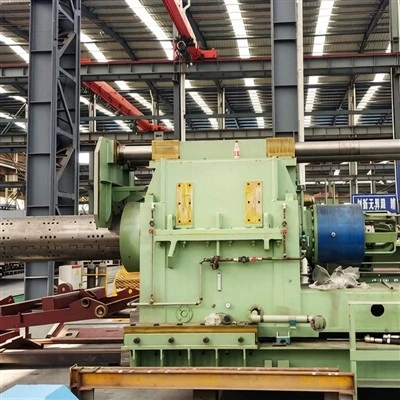
First, let’s ground this in something tangible, not just lab numbers. Every single piece of equipment that runs on fossil fuels or even electricity leaves a trail: exhaust. Think about your backup generator running all night at a warehouse, your industrial oven cranking out parts 12 hours a day, your fleet of delivery trucks idling at the loading dock, or even the HVAC unit in a big box store pumping out warm air out the top of the building. That exhaust isn’t just waste—it’s a load of potential energy. Right now, most of that heat just gets dumped into the atmosphere, which not only wastes energy but also contributes to that annoying “heat island effect” in cities. An EHRS catches that before it escapes, repurposes it for something you already need. No new power source, no big infrastructure overhauls, just using what you were throwing away.
Wait, let’s talk about a real example I saw last quarter. A mid-sized food processing plant in Ohio was burning through $18k a month on natural gas to heat their processing water and warehouse space. They had two big steam boilers and a diesel generator that ran non-stop for 16 hours a day to power the packaging lines. All that exhaust from both the boiler and generator was just vented outside. We installed a modular EHRS (no, not the giant clunky ones from the 90s—these are compact now) that captures the 180°F exhaust from the generator and 220°F from the boiler, runs it through a heat exchanger, and transfers that heat to pre-heat the cold water going into their boilers. The kicker? They also used a small portion of that recovered heat to warm the warehouse’s ventilation air in the winter. Six months later, their energy bill dropped $5,200 a month. That’s not a “savings” line on a report—that’s actual cash they put back into buying more packaging supplies and raising employee bonuses. That’s the kind of win we’re talking about.
Now, let’s get into the science that backs that up, no jargon I won’t explain. Energy isn’t created or destroyed, right? The first law of thermodynamics, basic stuff. When your generator burns fuel, only about 30-40% of that energy turns into electricity to power your lines. The other 60-70%? Goes straight out as heat in the exhaust, plus a little as lost heat from the generator itself. Same with boilers: they’re 80-85% efficient at turning fuel into steam, so that 15-20% lost? Mostly exhaust. An EHRS doesn’t create new energy—it recaptures that lost heat and puts it to work instead of you burning more fuel to make the same heat. So instead of paying for 100 units of energy, you’re paying for 40 (from your generator) plus 20 units from the exhaust you’d have wasted. That’s a 20-30% cut in the energy tied to that equipment alone. For industrial setups, that adds up fast—especially if you have multiple exhaust sources.
But wait, some guys will say “My equipment doesn’t run hot enough to bother.” Let’s address that. We work with everything from 120°F exhaust from refrigeration compressors up to 600°F from large incinerators. Even low-temp exhaust works—we had a grocery store chain with rooftop HVAC units that put out 130°F exhaust, installed a small EHRS to pre-heat their domestic hot water, and saved 12% on their monthly electric bill. Low-temp just means a slightly different EHRS setup, not a non-starter. The key here is matching the EHRS to your specific exhaust temp and what you need the heat for—no one-size-fits-all, which is why we don’t sell off-the-shelf kits. We do a free site audit first, because cutting corners here means the system won’t work as hard as it should.
Now, let’s bust a common myth: EHRS is only for big factories. No way. We’ve installed systems for smaller operations too—a 24-hour laundromat in Chicago, a fleet maintenance shop in Texas that runs their truck bay heaters and tool chargers off recovered exhaust from their diesel lifts, even a 5-story office building in Atlanta that uses exhaust from their backup generator to heat their lobby in the winter. For smaller spaces, the savings might not be tens of thousands a month, but they’re still meaningful. That laundromat I mentioned? Their energy bill went down $800 a month. For a small business, that’s a new washer, a raise, or keeping the lights on a little easier during slow months. It’s not just for the Fortune 500—any operation with consistent exhaust can benefit.
Another thing people sleep on: the environmental side. Wait, the question was about reducing energy consumption, but let’s tie that in. Less energy use usually means less fossil fuel burned, which cuts your carbon footprint. But with most utility companies now offering rebates for energy efficiency upgrades, that’s extra cash back. We helped that Ohio food plant apply for a state energy efficiency rebate, and they got 30% of the EHRS installation cost covered. So not only are they saving on monthly bills, they got a chunk of the installation cost back right away. That payback period? For most systems, it’s 18 to 36 months. That means after two and a half years, the system is basically paying for itself, and every dollar after that is pure savings.
I know what you’re thinking: “Sounds too good. What’s the catch?” Let’s be real—no system is perfect. An EHRS does need basic maintenance: clean the heat exchanger every 6 months, check the ducts for leaks, make sure the controls are calibrated. It’s not a set-it-and-forget-it solar panel, but it’s way less work than a HVAC system. And the costs? We’ve seen prices from $5k for small setups up to $150k for large industrial systems, but again, the rebates and monthly savings make that a no-brainer. The worst case? If you get a bad audit and a mismatched system, you might see 5% savings instead of 25%, but that’s why we do free site audits—no pressure, just us checking your exhaust streams, your energy needs, and tailoring a system that fits.
Wait, let’s talk about a recent project that showed the long-term angle. A paper mill in Wisconsin we started working with two years ago. They had two large recovery boilers and 10 wood chipper exhaust vents that were just flaring off into the air. We installed a combined EHRS that captures exhaust from all three sources, uses it to pre-heat the water for their pulp process, and also runs a small absorption chiller for their admin offices in the summer. So in the winter, it’s heating water; in the summer, it’s cooling air—dual use. Their annual energy savings last year? $210k. On top of that, they cut their boiler fuel use by 18%, which got them a federal tax credit for industrial efficiency. That’s not just a small win—That’s a system that adapts to your needs and keeps paying off, not just a one-time install.
I’ve been in this game long enough to see companies try to cut corners on EHRS, and I’ve seen the results. A restaurant chain a few years back bought a cheap generic EHRS for their oven exhaust, and it kept breaking because it didn’t account for food grease in the exhaust. They ended up spending more on repairs than they saved, which turned them off to the whole idea. That’s why we don’t push cheap, off-the-shelf stuff. We engineer each system to handle what your exhaust has—grease, moisture, dust, whatever’s in your specific setup. No generic fixes, just systems that last.
So circling back to the original question: Can an exhaust heat recovery system reduce energy consumption? If you have consistent exhaust (from generators, boilers, ovens, chillers, even vehicles) and you pair it with a correctly sized, tailored EHRS? Absolutely—we’ve seen savings from 10% up to 35% on energy costs, depending on your setup. It’s not a magic bullet, but it’s one of the most reliable, low-efficiency upgrades you can make right now. Way better than waiting for your utility to raise rates another 5% or scrambling to fix a broken HVAC in the middle of summer.
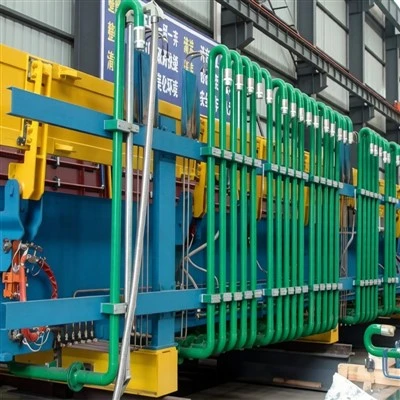
If you’re reading this and thinking “That sounds like something we could use,” don’t overcomplicate it. We do free, no-obligation site audits—just give us a rough idea of your operation, and we’ll come check out your exhaust streams, run the numbers, and tell you exactly what kind of savings you can expect. No sales pitches, no fine print, just straight talk. We’ve helped over 200 operations big and small cut their energy bills, and we’d be happy to do the same for you. Hit us up to get the conversation started—let’s stop wasting heat and start saving cash.
Exhaust Heat Recovery System References
- U.S. Department of Energy. (2022). Industrial Exhaust Heat Recovery: Opportunities and Performance Metrics for Commercial and Manufacturing Operations.
- International Energy Agency. (2021). Waste Heat Recovery: A Key Strategy for Reducing Industrial Energy Consumption.
- Food and Agriculture Organization of the United Nations. (2023). Energy Efficiency in Food Processing: Case Studies of Heat Recovery Systems in Small to Medium-Sized Plants.
- American Society of Heating, Refrigerating and Air-Conditioning Engineers (ASHRAE). (2022). HVAC Applications Handbook: Exhaust Heat Recovery System Design and Maintenance.
Jiangsu Dongfang Whole-Set Equipment Manufacturing Group Co., Ltd.
We are one of the most professional exhaust heat recovery system manufacturers and suppliers in China, also support customized service. With abundant experience, we warmly welcome you to buy durable exhaust heat recovery system from our factory. If you have any enquiry about pricelist, please feel free to email us.
Address: No. 9, Industrial Park, Xinqiao Town, Jingjiang City, Jiangsu Province
E-mail: dfctwm@163.com
WebSite: https://www.dongfangequip.com/
