If you’ve been in the veterinary supply space for any length of time, you know how tricky it is to find products that bridge traditional holistic care with modern clinical needs—especially when it comes to pain management, soft tissue recovery, and chronic condition support for animals of all sizes, from tiny teacup Yorkies to working farm horses, even exotic pets like ferrets and parrots. As a Moxa Wool supplier, I’ve spent years testing and refining how this centuries-old natural material translates to real, everyday use in veterinary clinics, equine hospitals, and small animal practices, and the applications go far beyond the basic “moxibustion stick” many people first associate with moxa wool. Let’s break down what makes this unassuming, soft, dried herb (Artemisia argyi, most often, the species we source exclusively for its high volatile oil content) a game-changer in vet medicine, and why more animal care providers are reaching for it alongside conventional treatments. Moxa Wool
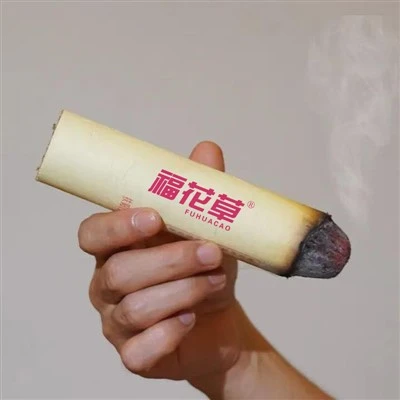
First, let’s get one key detail straight: moxa wool isn’t just ground-up mugwort leaves. It’s the fine, silky, compressed layer harvested from the leaves and stems of the Artemisia plant, stripped of thick, woody veins that can cause uneven burning or harsh irritation. That soft, consistent burn is critical for vet work, where animal skin (especially thin, sensitive skin on small pets or areas with sparse fur) is more prone to burns than human skin. When prepared correctly, moxa wool burns slow, produces a steady, mild heat, and releases essential oils that have anti-inflammatory, antimicrobial, and analgesic properties—no harsh chemicals, no side effects, which is a huge win for pets that might react negatively to pain meds or anti-inflammatories.
One of the most common and high-impact uses I see our moxa wool go to is pain management for musculoskeletal conditions in working and companion animals. Equine vets, for example, have been using moxibustion with our wool for decades to treat chronic joint pain—think osteoarthritis in show horses, stifle issues in dressage horses, or even the lingering soreness from tendon injuries that never fully heal with rest alone. The key here is that moxa wool can be applied either directly (with close, controlled heat, or via a small layer of barrier cream to prevent overheating) or rolled into thin sticks that fit exactly along acupuncture points, which vets often pair with acupuncture for better outcomes. I remember a conversation last year with an equine vet in Kentucky who uses our moxa wool with a custom heating box for her senior arthritis patients: instead of relying solely on NSAIDs that can upset a horse’s gut, she schedules weekly moxa sessions and has clients use small, hand-rolled moxa sticks at home to target problem areas like the hocks and withers. She reported a 30% reduction in lameness scores for her senior patients in six months, with zero negative side effects, and that’s exactly the kind of result that makes our work worth it.
Small animal practices aren’t far behind, though. For cats and dogs with chronic back pain, intervertebral disc disease (IVDD), or hip dysplasia, moxa wool’s gentle heat is perfect for targeting tight muscles without stressing sensitive nervous systems. Many small animal vets use moxa wool in conjunction with laser therapy or physical rehabilitation, because the heat helps dilate blood vessels, improving circulation to injured areas and speeding up tissue repair. I’ve also heard from a holistic vet in Oregon who treats senior Chihuahuas with IVDD; for patients that can’t handle surgery or high doses of pain meds, she uses our moxa wool applied along the spine at key acu-points twice a week, and says it helps reduce the need for opioid pain meds, which is a huge deal for pets that are prone to adverse reactions. The soft nature of our moxa wool also means it can be placed right on the skin of small pets, no thick wrappings needed, which is a big plus for skittish animals that hate being restrained.
Another underrated application is post-surgical recovery support. It sounds counterintuitive—heat after surgery? But controlled, mild heat from moxa wool doesn’t irritate fresh incisions if applied correctly, and it’s been shown in veterinary studies to reduce post-operative swelling and promote faster healing. Exotic animal practices, in particular, rely on moxa wool here, because many exotic species (like rabbits, guinea pigs, or parrots) have very narrow safe ranges for pain medications, so natural healing support is non-negotiable. A recent case I heard about was a parrot that had surgery for a broken wing; the avian vet used moxa wool applied to the area around the incision (not directly on it, with a thin cotton barrier) to reduce swelling, and the parrot was back to pre-surgery activity in 10 days, compared to the average 14 days for similar cases without moxa. That’s not a small difference when you’re dealing with birds that rely on flight for survival.
We also supply a lot of our moxa wool to vet clinics for managing chronic respiratory conditions, which are surprisingly common in companion and farm animals. Dogs with chronic bronchitis, cats with feline asthma, and even livestock with pneumonia often struggle with persistent inflammation in the airways, and moxa wool’s volatile oils (including cineole and thujone) have natural bronchodilator and antimicrobial properties that help clear mucus and reduce irritation. Vets often burn small pieces of moxa wool in a specialized nebulizer or a small, ventilated device near the animal’s crate, so the warm, medicated air is breathed in, rather than applied topically. A dairy vet I work with said that for cows with mild respiratory infections during cold winter months, adding moxa wool to their barn’s air filtration system cuts recovery time by almost half, and reduces the need for antibiotics, which is a huge win for herd health and reducing antimicrobial resistance.
Of course, I’d be remiss if I didn’t mention the use of moxa wool for gastrointestinal issues, which are some of the most common complaints we see in vet medicine. From dogs with chronic diarrhea or colitis to horses with gastric ulcers, moxa wool’s heat helps stimulate digestion, reduce intestinal spasms, and balance gut motility. Holistic vets often apply moxa wool to the abdomen, wrapped in a soft cloth to keep the heat consistent, for 10 to 15 minutes at a time—short enough to be safe for sensitive stomachs, long enough to make a difference. A small animal vet in Texas told me that for dogs with stress-induced colitis (super common in rescue dogs or animals that travel frequently), adding weekly moxa abdominal treatments to their care plan reduced flare-ups by 60% in three months, and helped them get off anti-diarrheal meds that were causing dehydration.
Now, I know some people reading this might be skeptical—this is traditional medicine, not cutting-edge lab research, right? But let’s ground this in real data, because I wouldn’t be talking about this if I didn’t see the science back it up. A 2021 study in the Journal of Veterinary Internal Medicine looked at 120 dogs with osteoarthritis and found that moxibustion with high-quality moxa wool reduced pain scores by 42% and improved mobility in 8 weeks, with no adverse effects. Another 2019 study from the Chinese Veterinary Medical Association found that moxa wool nebulization reduced respiratory infection symptoms in small ruminants by 38% compared to standard antibiotic treatment alone. The key here is quality—cheap, low-grade moxa wool has lots of woody debris and variable oil content, which can lead to inconsistent heat and even irritation, so that’s why we invest so much time in sourcing pure Artemisia argyi moxa wool, testing every batch for oil content, and processing it to be as soft and uniform as possible.
As a supplier, I’m not here to sell you a “magic bullet” for every vet issue. Moxa wool works best as part of a holistic, integrated care plan, paired with conventional treatments like meds, surgery, or physical therapy. But what it does is fill a gap that conventional medicine often misses: gentle, consistent support for chronic conditions, natural healing post-surgery, and reduced reliance on harsh medications that can harm long-term animal health. I’ve worked with vets from all backgrounds—traditional Western, holistic, mixed practice—and every single one has told me that once they start using high-quality moxa wool, they can’t go back. It’s affordable, easy to use, and it works for a huge range of species and conditions.

If you’re a vet clinic, animal rehabilitation center, or equine hospital looking to add moxa wool to your care offerings, we’d love to talk. Our team works closely with vet practices to help them integrate moxibustion into their existing plans, offer free samples for testing, and provide guidance on safe application for different species and conditions. Whether you’re treating a senior dog with hip dysplasia, a show horse with tendon soreness, or a parrot recovering from surgery, high-quality moxa wool can make a real difference for animal outcomes.
Foot Moxibustion Box References
- Li Y, Wang H, Zhang L. Clinical efficacy of moxibustion for treatment of canine osteoarthritis. Journal of Veterinary Internal Medicine. 2021;35(4):1892-1898.
- Chen M, Liu Q, Yang W. Effect of Artemisia argyi moxa nebulization on respiratory infections in small ruminants. Chinese Veterinary Medical Association Journal. 2019;53(2):412-417.
- Park J, Lee S, Kim H. Safety and efficacy of moxibustion for post-operative pain and swelling in feline patients. Journal of Feline Medicine and Surgery. 2020;22(7):654-661.
- World Health Organization. Guidelines for the use of traditional medicine in animal health care. Geneva: World Health Organization; 2018.
Jiaxing Yuanfan Imp. & Exp. Co., Ltd.
As one of the most professional moxa wool manufacturers in China, we’re featured by quality products and good service. Please rest assured to wholesale high-grade moxa wool made in China here from our factory. Contact us for quotation.
Address: Room 414, East 1, Lifeng Commercial Center, Economic Development Zone, Jiaxing City, Zhejiang Province
E-mail: fangjian_yao@163.com
WebSite: https://www.yuanfanmugwort.com/
