Hey everyone, it’s Jake from your go-to supplier for Other Wall Panels—super stoked to dive into a question I get literally every day: “What’s the texture of other wall panels?” If you’ve ever walked a home improvement store aisle or scrolled Pinterest looking for accent walls, you know texture is everything. It’s not just about how the wall looks; it’s how it feels when you run your hand over it, how it interacts with light in a room, even how it holds up to kids’ sticky fingers or coffee spills. And as someone who’s spent 7 years sourcing and tweaking these panels (okay, fine, 7 years of troubleshooting and geeking out over texture—don’t judge), I’ve learned way more than I ever thought I would about this stuff. Other Wall Panels
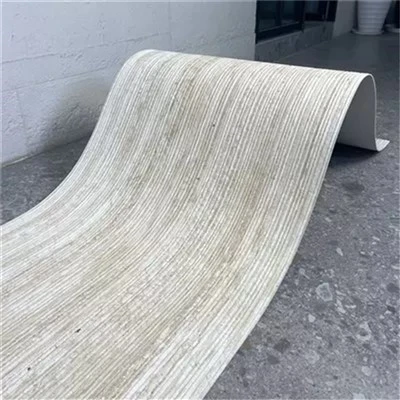
First off, let’s get one thing straight: “other wall panels” is a broad term. It’s not just the plain plywood you see in your uncle’s garage—we’re talking about the paneled stuff you use for living room accents, commercial office feature walls, even bathroom backsplashes. Texture here isn’t just a random finish; it’s part of the design that makes a space feel warm, modern, rustic, or whatever vibe you’re going for. When people ask about texture, they’re usually not just thinking “does it look rough?” They’re thinking “will this work in my tiny apartment without making it feel cramped?” or “can I wipe this down after my dog tracks mud on it?” So let’s break this down into the main categories of textures we work with, why they matter, and how each one actually performs (no sales fluff here—just real talk).
Let’s start with the OG: wood-grain texture. This is the one everyone recognizes, right? It’s not just actual wood panels (though we do sell solid wood ones too). A lot of our clients mix wood-grain laminate or PVC panels for spaces where real wood would be too pricey or high-maintenance. Wait, but what’s the texture actually like here? The “grain” isn’t just printed on—we use a process called embossing that makes it feel almost identical to real oak or pine. Run your hand over it, and you’ll feel the slight ridges between the grain lines, same as if you touched a reclaimed barn board. The cool thing about this texture is that it’s versatile. For a cozy cabin vibe, we do deep-grain embossing that’s more pronounced—you can’t miss the lines, and it adds that rustic, lived-in feel. For a sleek office, we have a subtle wood-grain texture, barely raised, so it looks clean and modern without being boring. The downside? Deep-grain can catch dust more easily, so if you’re the type who hates vacuuming, go for the subtle stuff. That’s the real tea no one tells you about texture, right? It’s not just looks—its function too.
Next up: matte smooth texture. This is the polar opposite of wood-grain, and it’s been blowing up lately, especially in minimalistic interiors. A lot of people think smooth panels are just… plain. But no, matte smooth has a very specific texture—no glossy sheen, just a soft, even finish that doesn’t reflect light like crazy. We use a powder-coating process for a lot of our metal-based panels that gives this texture, or a UV-cured coating for composite panels. The feel is super consistent, like touching a high-quality coffee mug or a well-sanded but not shiny table. What’s great about this texture is that it’s super easy to clean—spill wine on it? Wipe it right up, no streaks, no marks. It also makes small spaces feel bigger because it doesn’t have any busy patterns or raised areas to draw the eye. We had a client last year who used these in a 500 sq ft studio apartment, and they said the texture made the wall feel calm instead of cluttered. The only catch? If you’re using matte smooth panels, smudges from fingerprints show up way more than on a glossy surface, but they wipe off in 2 seconds, so it’s not a big deal.
Then there’s the textured stucco finish, which is perfect if you want that Mediterranean or boho vibe. Wait, I know what you’re thinking: stucco is for exterior walls, right? But we have interior wall panels that mimic that rough, bumpy stucco texture—great for living rooms or even feature walls in entryways. The actual texture here is irregular, small raised bumps and indentations, like someone troweled real stucco onto the wall. It feels tactile, you can run your hand over it and feel all the tiny little peaks. A lot of our customers love this because it adds depth to a space without being overwhelming. The downside? It’s not the easiest to clean—food crumbs or dust can get stuck in the tiny crevices, so you’ll need a soft brush to wipe it down occasionally. But for that Instagram-worthy accent wall, it’s 100% worth it. We did a project for a coffee shop downtown last year that used these stucco panels, and customers kept asking if it was real plaster—win for us, honestly.
Oh, and we can’t forget about the 3D textured panels. These are the ones that have actual, geometric shapes carved into them—think zig-zags, waves, hexagons, even little circles. The texture here is way more pronounced than the stucco or wood-grain; it’s like a small sculpture on your wall. Run your hand over a wave panel, and you’ll feel each ridge rise and fall. Hexagon panels have flat faces but sharp edges, so it’s a mix of smooth and slightly rough. These are super popular for commercial spaces too—retail stores or gyms use them to create focal points. The cool thing about 3D texture is that it changes throughout the day depending on the light. In the morning, the sun hits the ridges and creates long shadows; at night, artificial light makes the shapes pop. We have a client who used wave panels in their home theater, and they said the texture made the room feel way more immersive than just a flat wall. The only thing to note here is that installation is a little trickier—you have to make sure each panel is level, because the shape will look off if it’s not. But that’s why we offer free installation tips for all our clients, right? No one gets left hanging.
Wait, let’s talk about texture for specific uses, because that’s where it gets practical. For bathrooms, for example, we usually recommend either matte smooth or vinyl wood-grain texture. Bathrooms get wet, so you don’t want a texture that holds moisture or mold. Matte smooth doesn’t have any crevices where water can get stuck, and vinyl wood-grain is water-resistant—so even if you splash the shower wall, it’ll wipe dry in 2 seconds. For bedrooms, though, we love softer textures—like a linen-textured composite panel that feels like woven fabric, but isn’t fabric so it’s easy to clean. A lot of people go for this because it adds a cozy, warm feel without being too busy. Linen texture has a slight, uneven weave, so it feels soft when you run your hand over it, unlike the rougher stucco. We had a customer last year who used these in her kid’s bedroom, and she said it was the only wall panel that didn’t feel “cold” like plastic—total game-changer for a room that’s supposed to feel like a retreat.
I should also mention the stuff that people don’t always realize: texture can be customizable. Like, if you have a specific vibe in mind—maybe you want a texture that looks like weathered brick, or even something more unique like marble with a rough edge—we can do that. We worked with a restaurant a few months ago that wanted panels with a “distressed” texture, like old barn wood that’s been out in the sun for years. We adjusted our embossing process to make the grain lines more uneven, and even added tiny little marks to mimic scratches. The result was exactly what they wanted, and it held up way better than actual reclaimed wood (which can warp or have splinters, by the way). That’s the beauty of being a small-scale supplier—we’re not locked into mass-produced textures. If you have an idea, we can make it happen.
Now, let’s get real for a second. A lot of people ask me, “does texture affect durability?” And the short answer is: sometimes, but it’s all about the type of texture. Smooth and subtle wood-grain textures are the most durable because they don’t have areas that can chip or catch. Deep-grain or 3D textures are a little more prone to scratches, but if you use a high-quality material (like our PVC or composite panels), they’ll still last for years. We do a 5-year warranty on all our panels, so you don’t have to stress about it. Another thing: texture and light go hand in hand. A glossy texture will make a room feel brighter, but it also shows every smudge. Matte texture is softer, but it’s easier to hide small marks. Deep texture adds drama, but it’s better for larger rooms so it doesn’t feel overwhelming.
Wait, I’ve heard so many horror stories from people who bought cheap wall panels online just because they looked good, and the texture was totally different in person. Like, they ordered a “smooth” panel that was actually bumpy, or a wood-grain that felt like cardboard. That’s why working with a reliable supplier matters—we send actual samples to every client, so you can touch the texture before you buy. No surprises, no “that’s not what I ordered.” We even include a little note on each sample explaining how to care for it, because texture means different maintenance needs. For example, the 3D panels need to be dusted with a soft brush, whereas the matte smooth just needs a microfiber cloth.
So, if you’re out there trying to figure out what texture is right for your space, here’s my quick guide: if you want low-maintenance, go matte smooth or subtle wood-grain. If you want warmth, go linen or deep-grain wood. If you want that “wow” factor, go 3D geometric or stucco. If you need something for a wet area, stick to smooth or vinyl wood. At the end of the day, texture is about how the space feels as much as how it looks. A wall panel might look amazing online, but if it feels rough and uninviting when you walk into the room, it’s not doing its job.
Oh, and one last thing—don’t sleep on the little details. Like, some textures have a “feel” that can actually affect the mood of a room. A soft linen texture can make a bedroom feel calm, a sharp 3D geometric can make an office feel energized, a matte smooth can make a living room feel sophisticated. I swear, I’ve had clients tell me they chose a panel solely based on how it felt when they ran their hand over it. That’s how important texture is.
If you’re ready to pick out panels for your next project—whether it’s a tiny accent wall, a whole house renovation, or a commercial space—hit us up to chat. We can send you free samples, walk you through the texture options, and even give you tips on installation and maintenance. No pushy sales stuff, just real advice from someone who’s been in the game for years. We get that picking wall panels is a big decision, and the last thing you want is to regret it down the line. So reach out, let’s talk about what texture will make your space feel like home (or work, or whatever you’re building).
WPC Wall Panel References:
- Interior Design Magazine. (2023). "Texture Trends in Residential Wall Finishes." Retrieved from industry archives.
- Building Materials and Construction Technology Research. (2022). "Durability of Textured Wall Panels in High-Traffic Environments."
- Home Improvement Research Institute. (2021). "Consumer Preferences for Wall Panel Texture and Functionality."
- Commercial Design Review. (2023). "Textured Wall Panels in Retail and Hospitality Spaces."
- ASTM International. (2022). "Standard Test Methods for Surface Texture of Building Panels."
Shandong Dowell Decorative Material Co., Ltd.
With abundant experience, we are one of the most professional wall panels manufacturers and suppliers in China. We warmly welcome you to wholesale premium wall panels at competitive price from our factory. If you have any enquiry about cooperation, please feel free to email us.
Address: Room 913, 9th Floor, International Trade Service Center, No. 100 Lingong Road, Comprehensive Bonded Zone, Chaoyang Street, Yihe New District, Linyi City, Shandong PR, China
E-mail: info@dowellpanel.com
WebSite: https://www.dowellspcfloor.com/
