Hey there! I’m a guy running a power cable low voltage supply business. Over the years, I’ve gotten tons of questions from customers about the maintenance requirements for low – voltage power cables. So, I figured it’s time to share some insights on this topic. Power Cable Low Voltage
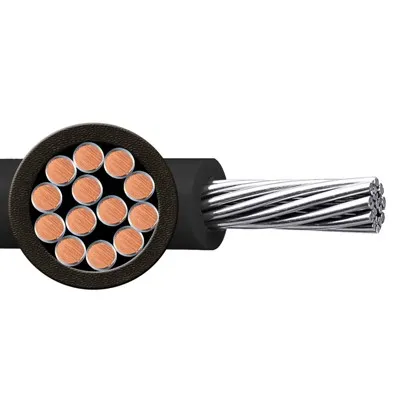
First off, let’s talk about what low – voltage power cables are and why they need proper maintenance. Low – voltage power cables are used to transmit electrical energy at relatively low voltages, usually below 1000 volts. They’re everywhere, from our homes to small commercial buildings. You know, the cables that connect your fridge to the wall socket or the ones supplying power to the lights in your office. These cables are the unsung heroes of the electrical world, and keeping them in good shape is super important.
Visual Inspection
One of the simplest yet most crucial maintenance tasks is visual inspection. You don’t need to be an electrical expert to do this. Just take a good look at the cables from time to time. Check for any signs of physical damage, like cuts, abrasions, or bulges. These can be caused by things like rodents nibbling on the cables, construction work nearby, or just general wear and tear over time.
If you spot a cut in the cable, it’s a big red flag. That means the insulation is damaged, and there’s a risk of short – circuiting or even an electrical fire. You should replace the damaged section of the cable right away. Also, look out for any discoloration on the cable. This could indicate overheating, which is often a sign of a problem with the electrical load or a fault in the cable itself.
Temperature Monitoring
Temperature is another key factor to keep an eye on. Low – voltage power cables generate heat when they carry electricity. This is normal, but if the temperature gets too high, it can degrade the cable insulation and lead to serious problems. You can use a thermal imaging camera to check the temperature of the cables. It’s a pretty cool tool that shows you hot spots on the cable.
If you notice that a particular section of the cable is significantly hotter than the rest, there might be an issue. Maybe the cable is overloaded, which means it’s carrying more current than it’s designed to handle. Or there could be a loose connection somewhere, causing resistance and generating extra heat. In either case, you need to address the problem as soon as possible to prevent further damage.
Insulation Resistance Testing
Insulation resistance testing is a technical but important aspect of cable maintenance. The insulation of the cable is what keeps the electrical current flowing inside the conductor and prevents it from leaking out. Over time, the insulation can degrade due to factors like moisture, heat, and chemical exposure.
To test the insulation resistance, you’ll need a special meter. You connect the meter to the cable and measure the resistance between the conductor and the ground. A low insulation resistance value indicates that the insulation is compromised, and there’s a risk of electrical leakage. If you find that the insulation resistance is below the recommended level, you should investigate the cause and consider replacing the cable if necessary.
Tightening Connections
Loose connections are a common problem in low – voltage power cables. They can occur at the terminals where the cables are connected to electrical devices or at the joints between different cable sections. When connections are loose, they create resistance, which in turn generates heat. This heat can cause the connections to deteriorate further and eventually lead to a failure.
Regularly check all the connections and make sure they’re tight. You can use a torque wrench to ensure that the bolts and nuts are tightened to the correct specifications. If you find any corrosion on the connections, clean them up using a wire brush and apply a suitable anti – corrosion compound.
Environmental Considerations
The environment where the cables are installed also plays a big role in their maintenance. For example, if the cables are exposed to moisture, they’re more likely to develop insulation problems. In areas with high humidity or where there’s a risk of water ingress, you should use cables with proper waterproofing or install them in conduits that provide protection.
Chemicals and oils can also damage the cable insulation. If the cables are in an industrial environment where they’re exposed to chemicals, make sure they’re rated for such conditions. You might also need to take additional measures, like installing cable trays or enclosures to protect them from chemical splashes.
Documentation and Record – Keeping
Don’t underestimate the power of documentation. Keeping a record of all your cable maintenance activities is essential. It helps you track the history of each cable, including when it was installed, when it was last inspected, and any maintenance or repairs that have been done. This information can be invaluable when it comes to troubleshooting problems or planning for future cable replacements.
You can use a simple spreadsheet to keep track of your cable maintenance. Include details like the cable location, type, inspection date, test results, and any actions taken. This way, you’ll have a clear overview of the condition of all your cables and can make informed decisions about their maintenance.
Importance of Regular Maintenance
I can’t stress enough how important regular maintenance is for low – voltage power cables. Proper maintenance not only extends the lifespan of the cables but also ensures the safety of the electrical system. Faulty cables can cause power outages, which can be a real headache, especially in commercial settings. And in the worst – case scenario, they can lead to electrical fires, which can have disastrous consequences.
By investing a little time and effort in cable maintenance, you can save a lot of money in the long run. You’ll avoid costly cable replacements and repairs, and you’ll also reduce the risk of downtime due to power failures.
How Our Company Can Help
As a power cable low – voltage supplier, we’re not just here to sell you cables. We’re committed to providing comprehensive support to our customers. We can offer you high – quality low – voltage power cables that are designed to meet the highest standards of performance and reliability.
In addition to supplying cables, we can also provide you with expert advice on cable maintenance. Our team of experienced technicians can conduct professional inspections, perform insulation resistance testing, and help you with any maintenance or repair tasks. We understand that every customer has unique needs, and we’re ready to work with you to develop a customized maintenance plan that suits your requirements.
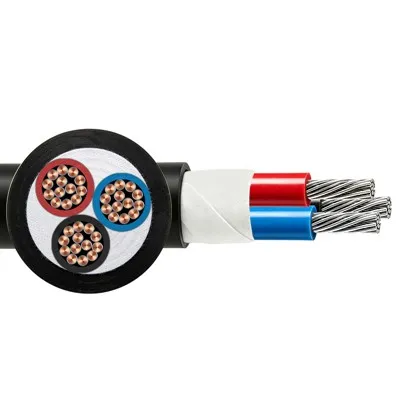
If you’re interested in learning more about our products and services or if you have any questions about low – voltage power cable maintenance, don’t hesitate to reach out. We’re always happy to have a chat and discuss how we can help you keep your electrical system running smoothly. Whether you’re a homeowner, a small business owner, or a facilities manager, we’ve got the solutions you need. So, let’s start a conversation!
References
- Electrical Wiring: Design and Installation Standards, National Electrical Code
- Low – Voltage Power Cable Handbook, Cable Manufacturers Association
Power Cable Low Voltage So, that’s all for now. I hope this blog has given you a better understanding of the maintenance requirements for low – voltage power cables. If you have any more questions or need further advice, shoot me a message, and I’ll do my best to help.
Yangzhou Huayu Cable Co., Ltd.
Yangzhou Huayu Cable Co., Ltd. is one of the most professional power cable low voltage manufacturers and suppliers in China, also supports customized service with low price. Please feel free to wholesale advanced power cable low voltage made in China here from our factory. Contact us for pricelist.
Address: No. 9 Jingang Road, Yangzhou City, Jiangsu Province, China
E-mail: huayucableco@126.com
WebSite: https://www.huayucabletech.com/
