Hey there! As a casing tube supplier, I’ve seen firsthand the many factors that can affect the installation of casing tubes. It’s a more complex process than it might seem at first glance, and getting it right is crucial for the success of any project. So, let’s dive into what these factors are. Casing Tube
Geological Conditions
One of the biggest factors that we can’t control but have to work around is the geological conditions of the installation site. The type of soil, rock, or sediment where you’re putting in the casing tube makes a huge difference.
If you’re dealing with soft soil, like clay or silt, there are a couple of issues. First off, the soft soil might not provide enough support for the casing tube. This means the tube could potentially shift or sink over time, which is a big no – no. To deal with this, we often have to use techniques like pre – grouting. That’s when we inject a special material into the soil to make it more stable before installing the tube.
On the other hand, if the ground is made up of hard rock, getting the casing tube in place becomes a real challenge. Drilling through rock requires heavy – duty equipment and can take a lot of time. Sometimes, we use specialized drilling methods like rotary drilling or percussive drilling to break through the rock. But these methods can also cause damage to the casing tube if not done correctly. So, we have to choose the right type of casing tube with enough strength to withstand the pressure and abrasion during the installation in rocky areas.
Casing Tube Design and Specification
The design and specifications of the casing tube itself play a huge role in the installation process. The length, diameter, and wall thickness all matter.
Let’s start with the length. If the casing tube is too long, it can be difficult to handle and install. Transporting long tubes can be a logistical nightmare, and getting them into the ground straight and without damage also becomes a challenge. On the flip side, if the tubes are too short, you’ll need to connect multiple sections together. Each connection is a potential weak point, and it takes extra time and effort to ensure they’re properly sealed and aligned.
The diameter of the casing tube is another important factor. A larger diameter tube needs more space and a more powerful drilling rig to install. It can also be more expensive. Smaller diameter tubes, however, might not be suitable for projects that require a large flow capacity or need to house other equipment inside the tube.
Wall thickness is crucial as well. Thicker walls provide more strength and durability, which is great for harsh geological conditions or high – pressure environments. But thicker – walled tubes are heavier and more expensive. We have to find the right balance based on the specific requirements of the project.
Installation Equipment
The equipment used for installing the casing tube is a major factor. Using the wrong equipment can lead to a whole host of problems, from slow installation times to damaged tubes.
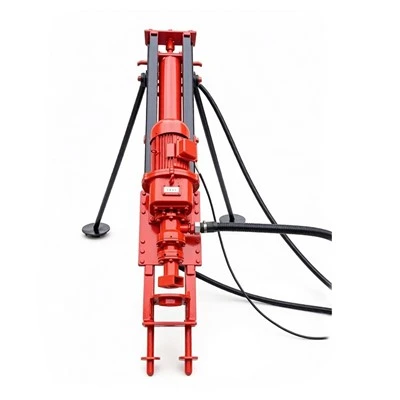
The drilling rig is the heart of the installation process. It needs to be powerful enough to drill through the ground and insert the casing tube. If the rig isn’t powerful enough, it might take forever to get the tube in place, or it might not be able to reach the required depth. There are different types of drilling rigs available, like top – drive rigs and hydraulic rigs. We have to choose the right one based on the type of ground, the size of the casing tube, and the project requirements.
Other equipment like casing tongs, which are used to connect the casing tube sections, also need to be in good working order. Faulty tongs can result in loose connections, which can lead to leaks and other issues down the line.
Weather Conditions
Weather can really throw a wrench in the casing tube installation process. Extreme heat or cold, rain, and strong winds can all have an impact.
In cold weather, the ground can freeze. Frozen ground is much harder to drill through, and it can also make the casing tube more brittle. This increases the risk of the tube cracking during installation. We might have to use heaters or wait for the ground to thaw before starting the installation.
On the other hand, extreme heat can cause the ground to dry out and become hard. This can make drilling difficult and can also cause the casing tube to expand, which could lead to misalignments or damage. We might need to use cooling systems or start the installation during cooler parts of the day.
Rain can also be a problem. It can turn the ground into a muddy mess, making it difficult to move the equipment and install the casing tube. Wet soil can also reduce the stability of the tube once it’s installed, so we have to take extra precautions, like using additional support structures.
Groundwater Level
The groundwater level at the installation site is a significant factor. If the groundwater level is high, it can cause problems during the installation.
When drilling through water – saturated soil, there’s a risk of the hole collapsing. To prevent this, we might need to use a drilling fluid, like bentonite slurry. This slurry helps to stabilize the hole walls and keeps the water from seeping in and causing issues.
High groundwater can also create buoyancy problems for the casing tube. If the tube is floating in the water, it can be difficult to get it in the right position and keep it there. We might need to add weights to the tube or use other methods to counteract the buoyancy.
Project Schedule and Budget
The project schedule and budget also affect the casing tube installation. If the schedule is tight, we might have to rush the installation, which can lead to mistakes. Rushing can also mean not taking the time to properly prepare the site or choose the right equipment.
Budget constraints can limit our options. For example, if the budget doesn’t allow for high – quality casing tubes, we might have to use cheaper alternatives. But cheaper tubes might not be as durable or suitable for the specific project requirements, which could lead to problems in the long run.
Operator Skill and Experience
Finally, the skill and experience of the operators are crucial. Installing casing tubes requires a certain level of expertise. Experienced operators know how to handle the equipment properly, deal with unexpected geological conditions, and make quick decisions to ensure the installation goes smoothly.
A novice operator might make mistakes, like misaligning the casing tube, using the wrong drilling technique, or not properly maintaining the equipment. These mistakes can cost time and money and can even put the whole project at risk.
So, as you can see, there are a lot of factors that can affect the installation of casing tubes. At our company, we take all these factors into account when working with our clients. We make sure to choose the right casing tube, use the best equipment, and have experienced operators on the job.
Transition Joint If you’re in need of casing tubes for your project and want to ensure a smooth installation, we’d love to talk to you. Contact us to discuss your requirements, and let’s work together to make your project a success.
References
- Brown, T. H. (2018). Handbook of Geotechnical Engineering. McGraw – Hill.
- Smith, J. R. (2019). Drilling Engineering Principles and Practice. Gulf Professional Publishing.
Quzhou Shenjian Machinery Factory
As one of the most professional casing tube manufacturers and suppliers in China, we’re featured by quality products and good service. Please rest assured to wholesale customized casing tube from our factory. Also, quotation is available.
Address: No. 42 Bingang Middle Road, Quzhou City, Zhejiang Province
E-mail: 107467114@qq.com
WebSite: https://www.shenjianmach.com/
