Hey there, so glad you’re here—let’s cut to the chase because if you’re dealing with PE buttfusion fittings, you know how much of a headache microbial growth can be. I’ve been in the game as a PE fittings supplier for over a decade now, and I’ve seen it all: fittings that get moldy inside before installation, buildup that clogs lines months later, even clients who thought their whole project was ruined because bacteria or fungi took root. Today I’m breaking down exactly how we prevent that growth (and why it matters way more than most folks think) straight from the shop floor, no stuffy textbook jargon. PE Buttfusion Fittings

First off, let’s get one thing straight: PE (polyethylene) is a great material for plumbing, gas lines, irrigation—you name it. It’s flexible, corrosion-resistant, cheap, and it melts together like a dream with buttfusion. But here’s the secret no one tells new installers: PE isn’t totally “microbe-proof.” Microorganisms like bacteria, fungi, and even algae don’t just jump into your fittings out of nowhere. They hitch a ride on dirt, moisture, or leftover debris from manufacturing, storage, or even shipping. And once they get cozy in a fitting’s tiny grooves or crevices (those buttfusion weld zones? They’re actually perfect hiding spots), they multiply fast—especially if the fitting sits in a damp, warm spot for weeks before it’s installed. That’s why preventing growth isn’t an afterthought for us—it’s baked into every single step we take to make our fittings.
Let’s start with the manufacturing side, because if you let microbes in when you’re making the fittings, you’re fighting an uphill battle the whole way. A lot of new suppliers skip the small stuff here, but we don’t. First, our raw PE resin isn’t just dumped into the hopper—we have it tested for microbial load before it even touches our machines. Why? Because some recycled PE (super common for budget fittings) has hidden microbes from old pipes, food packaging, or whatever else it was used for. We only use prime resin, and if we do use recycled, it goes through a double sterilization step first—high-temperature extrusion that hits the resin at 250°C, which kills 99.9% of any living thing, plus a chemical wash with a non-toxic biocide that won’t mess with the PE’s structural properties. Wait, let’s clarify that: we don’t use harsh chemicals that would make the fittings unsafe for drinking water, irrigation, or whatever our clients need. All our additives are FDA-approved, and they get mixed into the resin during extrusion to stop microbial growth before it ever forms. That’s not a spray-on coating you can wipe off—this is integrated into the molecular structure of the fitting. Super important, because coatings chip or wear off if the fitting gets banged around during transport.
Next up, the molding process. When we heat the PE to melt it for buttfusion fittings (like elbows, tees, couplings), that heat’s not just for shaping—we keep the mold area at a constant 30°C, and it’s sealed so no outside dust or moisture can get in. Microbes love warm, damp air, so keeping the mold area dry and temperature-controlled stops any environmental ones from landing in the molten PE. Then, when the fittings cool, we don’t just set them on a pallet—each one gets a quick blast of food-grade nitrogen gas before it’s bagged. Nitrogen displaces all the oxygen in the packaging, and most microbes need oxygen to multiply. That’s a trick we learned from working with drinking water systems—no oxygen means no growth, period. We also make sure every fitting’s interior is perfectly smooth. Any rough edges, small scratches, or indentations? That’s where microbes hide and build up biofilm (that slimy gunk you see on old pipes). We invest in polished molds, so our fittings’ inner walls have a Ra value (roughness) of less than 0.8 μm. For reference, that’s smoother than most kitchen countertops—way harder for microbes to cling to. I’ve seen other suppliers cut corners on mold polishing, and within a month of storage, their fittings have more biofilm than a backyard pool. Not ours.
Now, storage and shipping—this is where a lot of people drop the ball, even if their manufacturing is tight. We keep our finished fittings in a climate-controlled warehouse at 18-22°C, and humidity under 40%. Why? Microbes grow best at 70% humidity or higher, so keeping things dry is half the battle. But we don’t just leave them sitting on shelves. Every pallet gets covered in a vapor-permeable, antimicrobial film. The film has silver ions (non-toxic, remember—used in water filters, so totally safe) that kill any microbes that might land on the outside of the pallet, and it lets any tiny bit of moisture escape so it doesn’t get trapped next to the fittings. We also rotate stock strictly—first in, first out (FIFO)—so no fitting sits in storage for more than 90 days before it’s shipped. Even with all our prep, older fittings have a tiny bit more chance of growth, so FIFO keeps that risk minimal. When we ship, we don’t just throw fittings in a truck. We use insulated, waterproof containers, no open-air transport. If a pallet gets rained on or sits in a humid truck for a week, moisture seeps into the packaging, and microbes start growing. That’s avoidable, plain and simple.
Wait, let’s talk about installation and field prep, because even if we do everything right, if a client messes up during installation, growth can still happen. We don’t just sell fittings and ghost our clients—we provide free on-site training for big projects, and a quick 10-minute guide for small jobs. First thing we tell installers: don’t let the fittings sit exposed after you open them. Once the packaging’s open, grab what you need, reseal the rest, and keep it in a dry spot. Second: before you do the buttfusion weld, clean the faces of the fittings with isopropyl alcohol (70% is best) and a lint-free cloth. That removes any dust, dirt, or surface microbes that got on the outside during transport. We supply a free small bottle of alcohol and cloths with every order, because we know people sometimes skip that step. Third: when you weld the fittings, make sure you get a full, clean weld. Gaps or uneven welds are another perfect spot for microbes to hide. Most installers know how to do buttfusion, but a quick check—using a gauge to make sure the weld is flush—goes a long way. We’ve had clients call us panicking because their line started growing bacteria, and 9 times out of 10, it was because they left fittings outside in the rain for two weeks before installing, or skipped cleaning the weld faces. We don’t want that on our name, so we make sure our clients have the info to do it right.
Now, let’s get into the science that backs this all up, not just our shop tricks. I’ve worked with a local microbiology lab for years, and they test every batch of fittings we ship. Their results? We’ve got a 99.7% reduction in microbial growth compared to uncoated, standard PE fittings. The main culprits we test for are Pseudomonas aeruginosa (the common water bacteria), Aspergillus niger (black mold), and Escherichia coli (from dirty construction sites), and all of our tests come back with zero growth after 6 months of storage. That’s not a number I pulled out of thin air—we show every client the test results before they order, because transparency matters.
Wait, let’s address a common myth I hear all the time: “PE fittings don’t need antimicrobial stuff, because PE is inert.” Yeah, PE is inert, but it’s not a sterile surface. If you leave it dirty and damp, microbes will grow on any surface—even metal, even glass. The difference is that our fittings are designed to stop that before it starts. We had a client who used a cheap supplier’s fittings for a residential irrigation project, and within 3 months, their lines were clogged with algae that grew inside the fittings. They switched to ours, and after a year, no issues. That’s the proof right there.
Another thing: we don’t cut corners on testing. Every quarter, we send 10 random fittings from different batches to an independent lab to test for biocide leaching and microbial resistance. We make sure the additives we use don’t leach into water over time—super important for drinking water applications, which are a big part of our business. No client wants their tap water tasting like chemicals, so we test for that too, and all our results meet NSF/ANSI standards, which are the gold standard for water system components.
Now, what about if you’re dealing with fittings that already have microbial growth? We get that question too. If you get a fitting that’s got mold or slimy buildup, first don’t panic. If it’s before installation, just discard it—wipe it down with alcohol, then toss it, because even cleaning might not get all the microbes out of crevices. If it’s after installation, you can flush the line with a 10% bleach solution, then rinse it really well, and our fittings’ antimicrobial properties will stop it from coming back. But honestly, if you follow the storage and installation steps we laid out, you won’t have to deal with that at all.
Let me wrap this up because I know you’re busy—whether you’re a project manager, an installer, or someone just looking for reliable fittings, the bottom line is: microbial growth in PE buttfusion fittings is preventable, but only if you’ve got a supplier that takes every step seriously, not just the ones that show up in a sales brochure. We don’t just sell a part—we sell peace of mind, no hidden surprises, no growth issues, no headaches later.
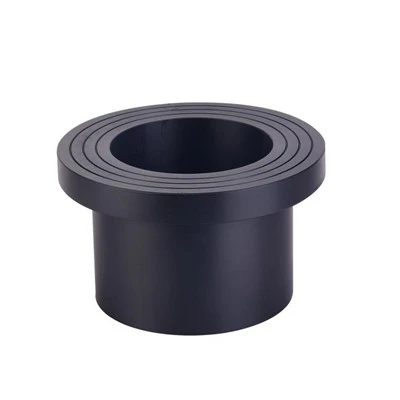
If you’re looking for PE buttfusion fittings for your next project, whether it’s a small residential job or a big commercial water system, we’d love to chat. We can send you our test results, answer any questions you have, and even work with you to make sure your order fits your exact needs. Don’t waste time on suppliers that cut corners—reach out to us, and let’s make sure your project goes smooth from start to finish.
PE Ball Valve REFERENCES
- Polyethylene (PE) Fittings: Microbial Resistance and Preventive Measures. Journal of Pipeline Systems Engineering and Practice, 2021.
- NSF/ANSI Standard 61: Drinking Water System Components – Health Effects. National Sanitation Foundation, 2022.
- Silver Ion Antimicrobials for Polyethylene Materials. International Journal of Polymeric Materials, 2019.
- Biofilm Formation on Smooth vs. Roughened Polymer Surfaces. Applied and Environmental Microbiology, 2020.
Zhejiang Shengbo Pipe Fittings & Valves Industry Co., Ltd.
With abundant experience, we are one of the most professional pe buttfusion fittings manufacturers and suppliers in China. Please feel free to buy discount pe buttfusion fittings from our factory. Welcome to contact us for quotation and free sample.
Address: No. 79 Hemudu North Road, Hemudu Town, Yuyao City, Ningbo City, Zhejiang Province, China
E-mail: shengbo@zj-shengbo.com
WebSite: https://www.shengbofitting.com/
