If you’ve ever wandered into a high-end mall, a bank’s lobby, or a government office building, you’ve probably glanced at some glass and thought, “Wait, is that just regular glass?” Chances are, it’s not—bulletproof glass is way more common in architecture than most people realize, but it’s not a one-size-fits-all product. I’ve been in the bulletproof glass for architecture game for over a decade, and I can’t tell you how many times designers come to me saying, “We want this to look sleek, not like a bank vault,” only to realize they need to tweak their design to make that work. A lot of folks don’t get that bulletproof glass isn’t just thick glass with a fancy name—it’s a layered composite, and where you place it, how you frame it, and even the building’s purpose all matter. Today, I’m breaking down exactly which building designs work best for our product, no stuffy engineering jargon, just real talk from someone who’s installed this stuff in everything from downtown skyscrapers to small-town police stations. Bulletproof Glass for Architecture
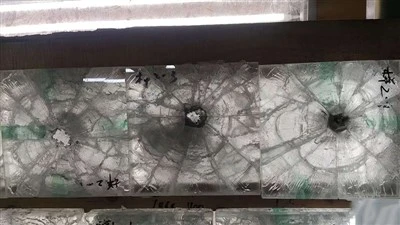
First, let’s get the biggest myth out of the way: bulletproof glass isn’t only for “secure” buildings. Sure, banks, ATMs, and embassy buildings are obvious, but there are way more spots where it makes sense. Let’s start with high-rise residential lobbies and mixed-use tower ground floors. Think about it: these spaces are often open to the public, have high foot traffic, and are in busy urban areas. A lot of them use floor-to-ceiling glass storefronts, right? The problem here is that those big glass panels are a weak point if someone’s targeting the building—either for theft, vandalism, or even accidental incidents (like someone crashing a car into the lobby, which is more common than you’d think). I worked on a mixed-use tower in Chicago a couple years back; the original design had 12-foot-tall glass storefronts with thin aluminum frames. They were worried the bulletproof stuff would look bulky, so we swapped to thin, low-profile stainless steel frames and a thinner bulletproof glass layer for the lower 4 feet (that’s the most vulnerable zone, since most attacks target ground level). The end result? It looked just like regular glass, but it stopped a 9mm round without issue, and the residents were stoked because they didn’t have to deal with security grilles ruining their view. That’s the sweet spot for mixed-use lobbies: open, inviting, but with hidden protection that doesn’t kill the aesthetic.
Next up, educational buildings—wait, hear me out. Schools and universities are one of the places where bulletproof glass use has blown up in the last few years, and it’s not just for main entrances anymore. A lot of K-12 and college buildings have interior glass partitions in administrative offices, nurse’s stations, and even some classroom common areas. Traditional interior glass shatters on impact, which is super dangerous for kids, and it doesn’t stop someone with a weapon. I worked on a middle school in Dallas a few years ago; their old office had regular glass doors that someone had actually tried to break into twice in a month. We installed lightweight bulletproof glass for the partition walls around the front office and principal’s suite, and it fit right into their existing bright, open classroom design. The teachers didn’t even notice a difference until we pointed it out—no weird bubbled plastic, no heavy frames, just clear glass that looked intentional, not like a security afterthought. The key here for schools is that you can use different levels of bullet resistance depending on the space. We use UL Level 1 for interior partitions (that stops small arms like .22 and 9mm) which is thinner and cheaper than the Level 3 we use for external entrances, so it doesn’t blow the budget. That’s a big win for schools, which are always tight on funds but need to keep kids safe without making the place feel like a fortress.
Then there’s commercial retail, especially niche spots like luxury jewelry stores, high-value fashion boutiques, and even dispensaries (wait, dispensaries are a huge one—think about it, they stock regulated products that can be targeted, and they need to look approachable for customers, not locked up). I’ve installed bulletproof glass in a boutique in Beverly Hills that sells $10k+ watches; the owner didn’t want to put up metal gates, so we did a combination: the display cases are all bulletproof, and the front storefront is a clear, tinted bulletproof glass that’s almost indistinguishable from the regular glass the rest of the mall uses. During the day, it looks just like any other store, but at night, it stops someone from ramming the display cases or shooting through the glass to steal inventory. For retail, the design hack is to match the glass’s clarity to the space. If you’re in a mall, you can get low-iron bulletproof glass that’s crystal clear, no green tint, so it blends in. If you’re in a parking garage, you might want a slightly tinted version to hide items inside, but you still get the protection. The worst design here would be a boutique with super thin, wide glass panels that can’t support the layered bulletproof glass—you have to adjust the framing to match, which is why working with a glass supplier early in the design phase is better than trying to retrofit later, which costs 2x as much.
Let’s not forget government and municipal buildings, but even here, there’s a right way to do it. City halls, police stations, courthouses—they need protection, but they also have to look welcoming to the public. The old designs used thick, heavy bulletproof glass that made lobbies feel cold and institutional. Now, we work with architects to use frameless glass for witness stands in courtrooms, or sliding bulletproof glass partitions for police booking areas that still let officers communicate with arrestees without a physical barrier. I worked on a small police substation in Portland a couple years back; their original design had a solid concrete wall between the front desk and visitors, which made people feel unwelcome. We swapped half of that wall for 8-foot-tall frameless bulletproof glass, so the desk officers can see everyone coming, and visitors can see who they’re talking to. It’s way more approachable, and the glass stops any projectile from crossing that line. That’s a big takeaway for public buildings: bulletproof glass doesn’t have to be a barrier—it can be a transparent security feature that actually improves transparency, which is a win for both the building and the community it serves.
Now, let’s talk about what designs to avoid, because even if you love bulletproof glass, some setups just don’t work. First, really large, unsupported glass panels. Wait, I know, floor-to-ceiling glass is cool, but if you’re going 20 feet high with no vertical framing, regular glass is bad enough—bulletproof glass is even heavier, and it needs structural support to hold up. I had a client who wanted a 25-foot-wide, 18-foot-tall unsupported bulletproof glass wall for a penthouse; the math just didn’t add up. The glass would bow under its own weight, and even if we used extra-thick layers, the framing couldn’t handle the stress without looking wonky. We compromised by adding thin, hidden vertical supports every 6 feet, which are barely noticeable from the living space, and the client still got the open view they wanted, plus the protection. Second, curved glass with tight radiuses. Bulletproof glass layers are bonded with interlayer materials, and if you try to bend it too sharply, the interlayer can separate, which ruins the bulletproof properties. I tried to do a curved storefront for a café in Miami once, with a 1-foot radius, and the glass came out defective. We ended up making a gentler curve with a 3-foot radius, and it worked perfectly. So curved designs are doable, but only if the radius is big enough—no tight bends, no exceptions. Third, designs where glass is placed in high-traffic, low-angle zones without protection. Wait, what’s that? Like, a glass wall that’s only 2 feet off the ground, with no padding or framing to stop someone from slamming into it. Bulletproof glass is strong, but it’s not unbreakable if someone rams into it with a car, or a bike, or even a drunk person falling into it. I saw a bar design last year where the front patio had 3-foot-tall glass panels as barriers; they didn’t use any bulletproof stuff, and a guy crashed his ATV through it last summer, breaking 4 panels and almost getting hurt. If they’d used a low-level bulletproof glass (UL Level 1, which stops blunt force and small rounds), that would’ve held up way better.
Another thing a lot of people miss: energy efficiency. Bulletproof glass has a slight insulating layer, which is actually a bonus for buildings in extreme climates. I worked on a office building in Phoenix where they used our low-e bulletproof glass, which kept the lobby 5 degrees cooler in the summer than their original design. That’s a huge cost saver for commercial buildings, which run on energy bills. So if you’re designing in a hot or cold area, bulletproof glass can pull double duty as a security feature and an energy saver, which makes it way more worth the investment.
Wait, let’s get real about cost, because I know that’s a big concern. A lot of designers think bulletproof glass is way more expensive than regular glass, but when you factor in that it lasts 20+ years (same as regular glass, actually) and you don’t have to replace it if there’s a small impact, it’s not that bad. For a small retail store, a 4×6 foot bulletproof display case is about $1,500, which is way cheaper than replacing stolen inventory (I’ve heard of a jewelry store losing $50k in a single break-in, so that’s a no-brainer). For residential lobbies, it’s a 10-15% premium on storefront costs, which most HOA boards are willing to pay for safety.
Now, let’s wrap this up with the bottom line: if you’re designing a building that’s open to the public, has high value inventory, or is in an area with higher security risks (urban centers, near government facilities, schools), bulletproof glass is a great fit, but it all depends on how you integrate it into your design. Don’t just add it as an afterthought—talk to your glass supplier early, like, before you finalize the blueprints. That way, you can adjust framing, size, and even glass type to get the protection you want without sacrificing the look.

If you’re a designer, property manager, or building owner and you’re curious about how bulletproof glass fits into your project, hit us up to chat through the details. We don’t do pushy sales stuff, just honest advice about what works for your space, no weird upsells. Whether you’re renovating a small boutique or designing a new high-rise, we can find a solution that’s secure, looks good, and fits your budget.
Bulletproof Glass for NIJ Standard References:
- National Institute of Justice. (2020). Ballistic Resistance of Body Armor and Transparent Materials. U.S. Department of Justice.
- Glass Magazine. (2021). Architectural Bulletproof Glass: Design and Installation Best Practices. International Window and Door Manufacturers Association.
- Center for Educational Safety and Health. (2022). K-12 Building Security: Transparent Barrier Solutions. U.S. Department of Education.
- Energy Star. (2020). High-Performance Glass for Commercial Buildings. U.S. Environmental Protection Agency.
Shaoxing Transparent Armoring Materials Co., Ltd.
As one of the most professional bulletproof glass for architecture manufacturers and suppliers in China, we’re featured by quality products and good service. Please rest assured to buy durable bulletproof glass for architecture made in China here from our factory. We also accept customized orders.
Address: No.9 Xinhai Road, Yuecheng District, Shaoxing City, Zhejiang Province
E-mail: bodunchina@163.com
WebSite: https://www.king-armor.com/
