When I started my indoor LED module supply business 12 years ago, I’d hear the same question from clients at trade shows and on initial calls: “Why is my neighbor’s LED module lasting twice as long as mine, and why does it cost the same?” Back then, I’d break it down to basic specs, but today, as someone who’s shipped modules to offices, retail stores, hospitals, and residential spaces across 17 countries, I know choosing the right indoor LED module isn’t just about picking the brightest or cheapest option. It’s about matching the module to your exact space—because a module perfect for a 24/7 hospital operating room will fail fast in a 9-to-5 boutique café. Indoor LED Module
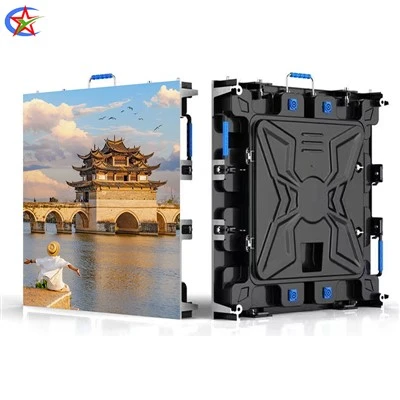
Let’s start with the basics, but skip the jargon that makes non-technical owners glaze over. The first thing I walk every potential client through is defining their application’s core needs. Indoor spaces aren’t one-size-fits-all: a retail clothing shop needs color accuracy to show off fabric hues, a classroom needs glare-free light that doesn’t strain students’ eyes, a warehouse needs high brightness to cut through shadows, and a hotel lobby needs warm, inviting light that feels cozy for guests. If you skip this step, you’re wasting money on features you don’t need or missing ones you do.
Last year, a small restaurant owner came to me with a problem: they’d installed a cheap LED module from a different supplier, and within six months, half the modules had dimmed unevenly, making their dining area look patchy and uninviting. When I asked about their space, they said it’s a 1,200-square-foot dining room with 9-foot ceilings, open 11 hours a day, 6 days a week, with no natural light. We measured their exact wattage, color temperature needs, and even the height of their ceiling to make sure the modules wouldn’t cast harsh shadows on tables. The modules we supplied last year are still working without dimming—because we matched them to their use case, not a generic spec sheet.
Next, let’s talk about key technical specs, but translate them into real-world results. First is color temperature (CCT), measured in Kelvin. Most people don’t know this, but a 2700K CCT is warm, like old incandescent bulbs, perfect for hotel lobbies, residential living rooms, or upscale restaurants where warmth and comfort matter. A 3500K is neutral, great for offices, retail stores, and classrooms—it’s not too warm or too cool, so it doesn’t tire eyes during long work or study hours. A 5000K is cool, bright, ideal for warehouses, gyms, or medical facilities where clear, sharp light is necessary. Pick the wrong CCT, and even a high-quality module will feel off: a classroom with 5000K light can make kids fidgety, while a restaurant with 2700K light will make food look dull and unappetizing.
Then there’s Color Rendering Index (CRI), which is how accurately a light source shows true colors. A CRI of 90+ is non-negotiable for most indoor spaces. For clothing stores, art galleries, or makeup counters, you need a CRI of 95+—so customers see the actual shade of a sweater or a painting, not a distorted version. The restaurant I mentioned earlier needed a CRI of 92 to make their dishes look vivid, which is why we specified that. A module with a low CRI (below 80) will make skin look sallow, fabrics look faded, and art lose its detail—even if it’s bright. That’s a mistake I see too often: clients chase low cost, only to have their space look unprofessional because colors are wrong.
Lumen output is another big one, but don’t fall for “higher lumens = better.” Lumens measure brightness, but you need to match it to your space’s size and ceiling height. A 100-square-foot room with 8-foot ceilings only needs about 1,500 lumens total—so a module with 300 lumens is enough. A 1,000-square-foot warehouse with 18-foot ceilings needs 10,000+ lumens per module to light the space properly. Last year, a gym owner ordered high-lumen modules thinking they’d be brighter, but those modules were too intense for their small workout rooms, making members complain of eye strain. We adjusted their order to lower-lumen modules that fit each room size, and they loved the result.
Lifespan is another critical spec, and here’s where many suppliers cut corners. The rated lifespan (usually L70, meaning the module will maintain 70% of its brightness after that time) matters, but it’s not the only number to check. Low-quality modules use cheap LEDs and poor heat sinks, which cause dimming and early failure. My modules are rated for 50,000 hours L70, but that’s only because we use aluminum heat sinks (not plastic) that dissipate heat properly, which is the biggest factor in how long LEDs last. Heat is an LED’s enemy—if heat builds up inside the module, the LEDs degrade fast. I once had a client who installed modules in a small closet with no ventilation; the modules failed in 8 months, because they couldn’t dissipate heat. When we supplied them modules with a built-in thermal pad and recommended a small fan for the closet, they’ve been working for 2 years without issues.
Power efficiency, or lumen per watt, is important for long-term energy costs, but again, don’t pick the highest number blindly. A high lumen per watt module might sacrifice color accuracy or build quality to save energy. For example, a module that’s 150 lumens per watt might have a CRI of 80, while one that’s 120 lumens per watt could have a CRI of 92 and last longer. The extra energy savings might not be worth the poor color quality or early failure. I always tell clients to balance efficiency with the other specs—energy savings are great, but not if the module doesn’t work for your space.
Once you’ve nailed the specs that fit your application, there are practical factors to consider that many people overlook. First is module size and installation compatibility. Some modules are designed for drop ceilings, others for surface mounting, some for recessed fixtures. You need to make sure the module fits your existing fixtures, or if you’re building new, that the size works with your space layout. A boutique that uses 12-inch fixtures can’t install a 18-inch module—we always confirm fixture size with clients before shipping, to avoid costly returns.
Warranty is another make-or-break factor. A good LED module should have a 5-year warranty, minimum. Any less, and you’re taking a risk that the module will fail before long. I offer a 7-year warranty on all my indoor modules, because I stand behind their build quality. Cheap modules often have 1-2 year warranties, which means the supplier doesn’t expect them to last long. If a supplier won’t back their product with a long warranty, it’s a red flag.
Dimming compatibility is often overlooked, especially for spaces that need adjustable light. A retail store might want to dim lights for a special event, a home might want soft light for evening use. Not all modules work with all dimmers—triac dimmers, 0-10V dimmers, DALI dimmers are all different. I always ask clients if they need dimming, and specify the right module type to work with their existing dimmer. Last quarter, an office client installed modules that weren’t compatible with their existing DALI system, so we swapped them out for compatible ones, avoiding a full rewiring job that would have cost them thousands.
Now, let’s talk about common mistakes I see clients make when choosing an indoor LED module. The first is chasing the lowest price. I get it—cost is a big factor, but a $10 module will almost always fail in a year, while a $15 module that lasts 5 years and works better is a better value. A café owner who bought cheap modules a few years ago spent $2,000 on modules, plus $1,500 in installation and maintenance, over 3 years. If he’d bought my modules for $1,800, he’d have had them working for 5 years, with no extra maintenance. The total cost of ownership (TCO) is way more important than upfront price.
Another mistake is ignoring environmental factors. If you’re installing in a bathroom with high humidity, you need a module with an IP rating of IP44 or higher—standard modules will rust or fail in high moisture. If you’re installing outdoors near an indoor pool, you need a module with an IP65 rating to stand up to water and chlorine. I once had a client install standard modules in a pool house bathroom; within 3 months, the modules had corroded and failed. We swapped them for IP44 rated modules, and they’ve worked for 2 years. The IP rating is non-negotiable for spaces with moisture or dust.
The third mistake is not asking for samples. Any reputable supplier will send samples before you place a bulk order. I always encourage clients to test samples in their actual space, because lab specs don’t always translate to real life. A module that looks bright in a showroom might look too dim in a 15-foot ceiling warehouse, or the color might look wrong next to your paint or furniture. Last year, a school district tested samples from 3 different suppliers before choosing mine—they tested the color in their classrooms, checked the dimming, and confirmed the lifespan, and they’ve since ordered 5,000 modules for their 12 schools.
At the end of the day, choosing the right indoor LED module is about matching the product to your specific needs, not a generic list of specs. It’s about balancing color accuracy, brightness, lifespan, efficiency, and practical factors like installation and warranty. If you’re tired of modules that dim unevenly, fail early, or make your space look unprofessional, I can help. I’ve supplied modules to hundreds of spaces, from small cafes to large hospitals, and I’ll work with you to assess your space, your needs, and your budget to find the right module for you.

If you’re ready to stop guessing and invest in an LED module that works for your indoor space, reach out to me to discuss your project. I’ll provide a detailed assessment, sample modules for testing, and a transparent quote that fits your needs. Don’t let another faulty module cost you money and time—let’s find the perfect indoor LED module for your space today.
Indoor Fixed LED Display References:
- International Electrotechnical Commission (IEC). IEC 62031:2020, LED Modules for General Lighting Safety Requirements. Geneva, Switzerland: IEC, 2020.
- Illuminating Engineering Society (IES). IES LM-80-20: Measuring Luminous Flux and Color Maintenance of LED Packages and Modules. New York, NY: IES, 2020.
- U.S. Department of Energy (DOE). LED Lighting Product Selection Guide: Indoor Applications. Washington, D.C.: DOE, 2022.
- National Electrical Manufacturers Association (NEMA). NEMA SSL 7A-2021: Color Rendering of White LED Lamps and Modules. Rosslyn, VA: NEMA, 2021.
Shenzhen Starcolor Optoelectronics Co., Ltd.
As one of the most professional indoor led module manufacturers and suppliers in China, we’re featured by quality products and good price. Please rest assured to wholesale discount indoor led module in stock here from our factory. Customized orders are welcome.
Address: 2nd floor, Building A, Hongjingda Industrial Park, Shiyan town, Bao’an District, Shenzhen
E-mail: starcolorled@outlook.com
WebSite: https://www.starcolordisplay.com/
