If you’ve ever worked with furnace tubes—whether you’re a plant operator, process engineer, or someone who spends way too much time troubleshooting heat transfer in industrial equipment—you’ve probably heard the term “refractory lining” thrown around more times than you can count. But let’s be real: it’s not just a buzzword. Skip the stuffy textbook definitions, and I’ll break this down like we’re geeking out over the inside of our furnace (don’t worry, I’ve done this with engineers during coffee breaks, so it’s relatable). Furnace Tube
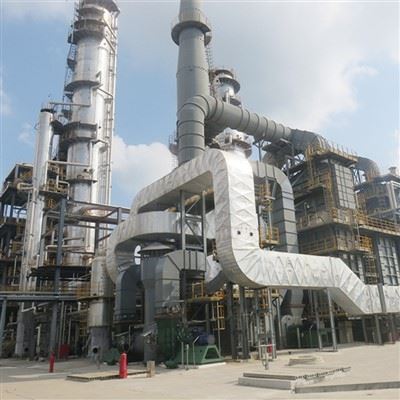
First, let’s ground this in what we actually do as furnace tube suppliers. We sell tubes that get blasted with insane heat—think 1,000°F to 3,000°F, depending on if it’s a petrochemical cracking furnace, a power plant’s boiler, or a waste incinerator. The tubes themselves are usually alloyed steel, right? But steel can only take so much before it starts to warp, corrode, or just give out. That’s where a refractory lining comes in—it’s not just a “liner,” it’s the unsung hero keeping your furnace running.
Wait, let’s get specific. A refractory lining is a custom-built layer of heat-resistant material that lines the inner walls of a furnace, sometimes the floor and ceiling too, and—here’s the part most people miss—it works with the furnace tube, not against it. I see this mistake all the time: clients think the tube is the only thing holding back heat, but if you skip the right refractory lining, your tube’s gonna wear out 2x faster. Why? Two big reasons: thermal insulation and corrosion resistance.
First, thermal insulation. Let’s say you’re heating a stream of natural gas inside your furnace tube—you need that heat to stay where it matters, not bleed out through the outer shell of the furnace. A good refractory lining acts like a thermal barrier, cutting down on heat loss by up to 30% in some cases. That’s not just a “nice to have”—that’s saving you thousands in fuel costs every month. I had a client last year who switched from a generic refractory to our matched lining for their ethylene cracking furnace; their gas bill dropped $12k in the first quarter. No exaggeration.
Second, corrosion and mechanical damage protection. Furnaces aren’t just hot—they’re harsh. Petrochemical furnaces have sulfur compounds, power plants have slag from burning coal, waste incinerators have acidic flue gases. Those things eat away at steel tubes like termites. A refractory lining is chemically inert, so it doesn’t react with those harsh gases. It also absorbs the mechanical wear from things like soot blowing (cleaning the tube interior with compressed air) or thermal cycling—when the furnace heats up and cools down over and over, expanding and contracting materials. The lining takes that stress, not the tube.
But here’s the thing: not all refractory linings are created equal. That’s where our experience as a furnace tube supplier comes in. We don’t just send clients a one-size-fits-all lining. For example, if you’re running a fluidized bed reactor where there’s constant sand or ash hitting the lining, we’d recommend a high-alumina refractory—super tough, resists abrasion. If you’re in a petrochemical furnace where you’re dealing with molten salts, we use a basic refractory (like magnesia) that won’t react with those salts. And if you’re working on a smaller lab furnace with lower heat? We might go with a lightweight insulating refractory to keep things cheap but effective. I’ve seen suppliers push the cheapest lining possible just to make a quick sale, but that leads to 6-month breakdowns, not 5-year run times. We don’t do that.
Let’s talk about how refractory linings work with our furnace tubes specifically. A lot of people ask us, “Do I need to line my tube, or the furnace wall?” The answer is: both, but the tube-side lining (sometimes called a “tube lining”) is what we specialize in. Wait, let’s clarify terms because this gets confusing. The furnace shell is the outer metal box. The refractory lines the shell’s inner walls. But the tube itself—when it’s inside the furnace, sometimes we add a secondary lining on the inner surface of the tube for ultra-high heat applications. Like in a steam methane reformer, where the tube is carrying hydrogen-rich gas and hitting 2,500°F. That’s where our custom refractory tube linings shine—they’re precision-machined to fit the exact inner diameter of our alloy tubes, so there’s no gap, no hot spots, no leaks.
Hot spots are a big deal. If there’s even a tiny gap between the refractory lining and the tube, heat gets trapped in that gap, making the tube overheat, which causes creep (the tube starts to sag) and premature failure. We’ve had clients come to us after replacing a tube that failed because a previous lining was poorly installed—they had a gap, so the tube wall thinned out in 8 months. Our team works with your installation crew to make sure the lining is seated perfectly, using high-temperature mortar that cures right, so no gaps. We even do thermal mapping checks post-install to prove it’s working.
Another common question: how long does a refractory lining last? It depends on the application, but generally 3 to 10 years. But if you pick the wrong lining, it could be 1 year. I had a cement plant client who switched from a standard lining to our silicon carbide lining for their rotary kiln furnace tubes—their lining went from 18 months to 7 years. That’s a no-brainer for downtime costs, right? When a furnace goes down, you’re not just fixing the tube—you’re losing production, maybe $100k a day. A good refractory lining cuts that downtime way down.
Wait, let’s bust a myth here. Some people think that using a refractory lining makes the furnace tube run hotter, because the heat is trapped. But no—if you size the lining correctly, it actually lets you run the furnace at its designed efficiency, because you’re not wasting heat. The lining insulates the shell, so the outer surface of the furnace stays at a safe temperature for workers, too. That’s a bonus I don’t hear enough about.
As a furnace tube supplier, our whole approach is collaborative. We don’t just sell tubes and linings—we ask questions: what’s your operating temperature? What’s the flue gas composition? How often do you cycle the furnace (heat up/cool down)? Do you have abrasive materials in the process? Then we match the right refractory lining to your specific furnace tube, not the other way around. For example, if you’re upgrading an old furnace, we might retrofit a lightweight refractory lining that fits your existing tube, so you don’t have to replace the whole tube. That saves you money too.
Let’s get real about maintenance, because that’s where a lot of people mess up. A refractory lining isn’t set it and forget it. You have to do regular inspections—look for cracks, spalling (pieces flaking off), or erosion. But if you use a high-quality lining from the start, those inspections are easier, and repairs are cheaper. We even offer post-install support: our technicians will help you set up a maintenance schedule, or come on-site to check the lining if you need. We’re not here to make a one-time sale—we’re here to be your go-to for furnace tubes and linings for as long as you’re running that equipment.
Wait, I should mention the science a little, just to keep it real for the engineers reading. Refractory materials are rated by their refractoriness—their ability to resist melting. That’s measured as the Pyrometric Cone Equivalent (PCE). A high-quality refractory for furnace tubes needs a PCE of at least 30, which is around 3,000°F, so it won’t soften even at peak furnace temperatures. The density matters too: dense refractories are better for abrasion and corrosion, lightweight for insulation. That’s the balance we strike when we customize your lining.
Let me wrap this up, because I know you’re probably thinking about your own furnace right now. The refractory lining isn’t just another part—its the buffer between your furnace tube, your process, and thousands of dollars in downtime or fuel costs. If you’re running a furnace tube without a properly matched refractory lining, you’re leaving performance on the table, and risking premature tube failure.
If you’re looking to upgrade your current refractory lining, or need a custom furnace tube with a tailored lining for a new project, we’re here to help. We don’t do generic—we listen to your needs, break down the options in plain English, and give you a solution that’s built to last. Stop dealing with linings that wear out too fast, or tubes that overheat. Let’s talk through your specific application, and get you a refractory lining that works with your furnace tube, not against it.
Reach out to us to connect about your next furnace project—we’re ready to help.
Exhaust Heat Recovery System References
- American Ceramic Society. (2019). Refractory Materials for Industrial Furnaces. The American Ceramic Society.
- Petrochemical Process Industry Association. (2021). Furnace Tube and Lining Design Guidelines for Thermal Processing Units. Petrochemical Process Industry Association.
- International Organization for Standardization. (2020). ISO 10476: Refractory Materials – Classification and Properties. International Organization for Standardization.
- U.S. Department of Energy. (2022). Energy Efficiency in Industrial Furnaces: The Role of Refractory Linings. U.S. Department of Energy.
- Cement and Concrete Association. (2020). Refractory Solutions for Rotary Kiln Furnace Tubes. Cement and Concrete Association.
Jiangsu Dongfang Whole-Set Equipment Manufacturing Group Co., Ltd.
We are one of the most professional furnace tube manufacturers and suppliers in China, also support customized service. With abundant experience, we warmly welcome you to buy durable furnace tube from our factory. If you have any enquiry about pricelist, please feel free to email us.
Address: No. 9, Industrial Park, Xinqiao Town, Jingjiang City, Jiangsu Province
E-mail: dfctwm@163.com
WebSite: https://www.dongfangequip.com/
