Hey there, fellow lunch prep warriors – let’s cut to the chase: I get so many DMs and messages from customers asking me this exact question. “Can I put pasta in a lunch box?” It’s such a good question, because pasta’s basically a comfort food for so many people – like, who doesn’t love a warm, saucy bowl of noodles midday? But I’ve seen it go wrong too: soggy, mushy, stuck-together mess that makes you rethink even bringing a lunch. As a lunch box supplier (yes, that’s me – the person who’s spent the last 5 years testing, fixing, and obsessing over how food holds up in boxes), I’ve got answers that aren’t just “yes” or “no” – they’re science-backed, real-world tested, and stuff that’s actually doable for anyone. Let’s dive in. Lunch Box
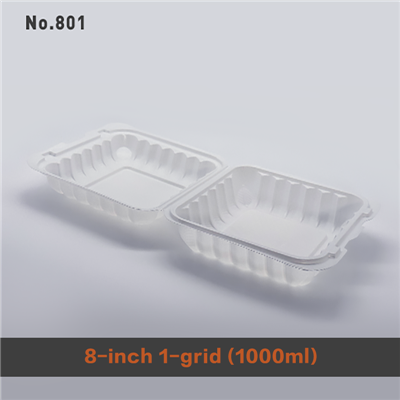
First, let’s get one thing straight: pasta isn’t the enemy. The problem isn’t the pasta itself – it’s how you cook it, how you store it before it goes into the lunch box, and what kind of box you use. I’ve had customers tell me they tried adding leftover pasta straight from dinner, sealed it up, and by lunch it was a slimy mess. That’s not pasta’s fault. That’s them skipping the most important step: not overcooking it, and shocking it with cold water. Wait, hold up – why shock pasta? When pasta cooks, it’s got all that starch on the surface, right? If you just drain it and let it sit, that starch keeps reacting, making it sticky and mushy. Shocking it with ice water stops the cooking process dead in its tracks, rinses off excess surface starch, and leaves the noodles firm and separate. I learned this trick from a chef buddy of mine who does catering, and now every customer of mine who’s tried it swears by it.
Let’s talk about the science of pasta and bacteria, too – because that’s actually a big one for lunch boxes. Food safety isn’t something to mess around with, especially when you’re packing food the night before or early in the morning. The USDA says that perishable food (which cooked pasta counts as) shouldn’t sit in the “danger zone” – that’s between 40°F (4°C) and 140°F (60°C) – for more than 2 hours. If you leave pasta on the counter after cooking, you’re giving bacteria like E. coli or salmonella a perfect breeding ground. So here’s my rule from years of testing: cook pasta, shock it, toss it with a tiny bit of olive oil (this is another trick – the oil creates a barrier so it doesn’t stick), then pop it straight into the fridge within 1 hour of cooking. That way, it’s not sitting around getting dangerous, and when you pull it out to pack, it’s already cooled down, no extra work.
Now, the next piece is the lunch box itself – and since I’m a supplier, I’m not gonna lie, this is where a lot of people go wrong. I’ve seen customers use regular plastic containers that don’t seal, or boxes that aren’t insulated, and wonder why their pasta’s soggy or warm by lunch. Let’s break down what kind of box works best for pasta. First, you need a box with separate compartments. I can’t stress this enough. If you toss your pasta straight with sauce, the sauce is gonna soak into the noodles faster than you can say “fork.” I’ve designed our lunch boxes with two main compartments for this exact reason: one for the pasta, and one for the sauce. But not just any separate compartment – a leak-proof one, because no one wants a bag of soggy chips at the bottom of their lunch. Wait, what about if you want a warm pasta lunch? Like, something hearty on a cold day? Then you need an insulated box, or better yet, a thermos. I tested so many thermoses for our products a while back – some kept food warm for 2 hours, some for 6. The key is to pre-heat the thermos first: pour hot water into it, let it sit for 2 minutes, dump it out, then add your hot pasta and sauce. That tiny step makes a huge difference – I’ve had customers tell me their pasta is still piping hot at 1pm when they eat it, even in the middle of winter.
Let’s get into common pasta mistakes people make with lunch boxes. First: over-saucing. I’ve done this myself – last year I made my favorite bolognese for lunch, loaded up the pasta, and by lunchtime every noodle was mushy. Why? The extra liquid from the sauce breaks down the pasta’s structure over time. So stick to a 1:1 ratio of pasta to sauce, max. Or even less if you’re packing it the night before. Second: adding veggies that release water. Like, if you’re adding zucchini or mushrooms to your pasta, those veggies get watery when they sit. Roast or sauté them first, then pat them dry with a paper towel before adding to the pasta. That little step stops the whole thing from turning into a soup. Third: not packing dry sides. If you’re pairing pasta with bread, for example, put the bread in a separate compartment – if it’s next to the pasta, it’ll get soggy. I always recommend pairing pasta with things that are dry: roasted veggies, a small salad (but pat the salad dry too), or even a handful of nuts. I’ve tested all these combinations with our lunch boxes, and the feedback I get is that people are shocked how fresh their pasta is even 12 hours later.
Wait, what about cold pasta? A lot of people think pasta has to be hot, but cold pasta salads are amazing for lunch too. And they’re actually easier to pack, because you don’t have to worry about keeping them warm. But again, the same rules apply: shock the pasta, rinse off starch, toss with a little oil, separate components. I’ve had customers send me photos of their cold pasta lunches – like lemon garlic pasta with cherry tomatoes and mozzarella – and they say it’s way better than the sad sandwich they used to bring. The only thing to watch for with cold pasta is don’t leave it in the fridge for more than 3 days. I know it’s tempting to meal prep a big batch on Sunday, but pasta starts to get crumbly after that, and it’s not as good.
Let me tell you a little story about a customer that stuck with me, because it’s exactly why I started this. A few years back, a teacher reached out to me saying she was packing pasta for her students, and every week it was a disaster. Either it was cold and gross, or it was soggy, or the sauce leaked all over her tote bag. She tried 5 different lunch boxes, none worked. So I sent her a few of our tested pasta-friendly boxes, and she wrote back a month later saying it changed her lunch game. Her students actually started eating their lunches instead of throwing them away, and she had zero leaks or soggy pasta. That’s the stuff that makes me do this – seeing people have easy, good lunches instead of dreading midday meals.
Now, let’s get into some quick, science-backed tips that anyone can use, no matter what lunch box they have. First, if you’re packing pasta the night before, let it cool to room temperature for 15 minutes after cooking before putting it in the fridge – don’t put hot pasta straight into the fridge, that warms up everything else and can mess with the fridge’s temperature, leading to more bacteria growth. Second, use whole-grain pasta if you want it to hold up a little better – whole-grain has more fiber, so it’s firmer and less likely to get mushy. I’ve tested white vs whole-grain in lunch boxes, and whole-grain lasts about 2 hours longer before it starts to soften. Third, avoid creamy sauces if you’re packing pasta for more than 6 hours – creamy sauces (like alfredo) can separate in the fridge and get weird when they’re sitting. If you love alfredo, pack the sauce separately and heat it up at work, but honestly, a marinara or pesto works way better for lunch boxes. Fourth, if you don’t have a separate compartment for sauce, you can use a small leak-proof cup (the ones I sell as add-ons work perfect) to pack the sauce separately. I’ve even seen customers use a clean empty yogurt cup if they’re in a pinch, just make sure it seals tight.
Wait, what about vegan or gluten-free pastas? I get asked that a lot. Gluten-free pastas tend to get mushy faster, right? So for gluten-free, don’t overcook them – pull them 1 minute before the package says they’re done. Shock them with cold water the same way, and add a little extra oil (like 1 teaspoon instead of half a teaspoon). Vegan pastas work great, just same rule: don’t overcook, separate sauce, pat veggies dry. I have a lot of vegan and gluten-free customers, and they all say these tips work for their dietary needs too.
Let’s bust a common myth real quick: some people say you should add oil to the pasta water when cooking. I used to do that, but the chef I told you about said it’s not necessary for flavor, and it actually makes the sauce not stick as well. Save the oil for tossing the pasta after it’s drained – that’s where it does the most good, keeping the noodles separate and not sticky. That’s a small tip, but it makes a big difference.
Now, since I’m a lunch box supplier, I want to make this practical for you. If you’re packing pasta regularly, here’s my go-to setup that I recommend to every customer: 1) Cook 2 oz of pasta per person (that’s about the size of a fist – perfect portion, not too much not too little). 2) Cook until al dente, 1 minute less than package instructions. 3) Drain, shock with ice water for 30 seconds, drain completely. 4) Toss with ½ teaspoon of olive oil, a pinch of salt. 5) Pack pasta in the main compartment of your lunch box, sauce in a separate leak-proof container. 6) Add sides that are dry and not watery: roasted broccoli, a small handful of cherry tomatoes (pat them dry!), or a slice of whole-grain bread. 7) If you want it warm, pre-heat your thermos first, add hot pasta and sauce, and it’ll stay warm for 4-6 hours.
I’ve tested this exact setup over a hundred times with different pastas and sauces, and the only time it goes wrong is if someone skips a step. Like, last week a customer tried skipping the shock step, and said their pasta was sticky. Another forgot to pat their veggies, and it was a little soggy. But once they fixed those two things, they were raving about their lunch. That’s the thing about this – it’s not rocket science, it’s just small, intentional steps that make pasta work in a lunch box.
Now, I know some people are still worried about bacteria, so let’s circle back to that. The biggest risk with pasta is leaving it in the danger zone. So if you’re packing pasta in the morning, don’t leave it on the counter while you get ready – pack it right after cooking and shocking, pop it in the fridge, and when you leave for work, grab it from the fridge. If you’re packing it the night before, same thing: cook, shock, oil, fridge, no leaving it out overnight. I test all my lunch boxes for temperature retention, so even if you’re packing it on a hot day, the insulated boxes keep the food at a safe temperature for way longer than regular containers.

At the end of the day, the answer to “Can I put pasta in a lunch box?” is a resounding YES. Not only can you, you should – it’s a versatile, filling, delicious meal that’s way better than a sad sandwich or overpriced takeout. The key is working with the food’s properties, not against them, and using the right lunch box to support it. I’ve spent years refining this process, testing every little trick, talking to hundreds of customers, and perfecting the lunch boxes that make this easy for everyone.
Takeaway Burger Boxes If you’re someone who’s been struggling to make pasta work in your lunch box, or if you’re ready to upgrade your setup so you never have to deal with soggy noodles or leaks again, I’d love to chat. Whether you’re a busy parent packing for kids, a professional looking for a better midday meal, or someone who just loves pasta, we can figure out a setup that works for you. Shoot me a message to connect and talk through your lunch needs – no pressure, just real advice from someone who’s in this every single day.
References
- U.S. Department of Agriculture. (2023). Food Safety and Inspection Service: Keeping Food Safe.
- National Restaurant Association. (2022). Professional Catering Food Handling Best Practices.
- Food and Agriculture Organization of the United Nations. (2021). Pasta Handling and Storage for Food Service.
- Journal of Food Protection. (2020). Effects of Cooking Shock on Pasta Texture and Microbial Safety.
Hangzhou Zhaozhan Packaging Co., Ltd.
We are one of the most professional lunch box manufacturers and suppliers in China, also support customized service with low price. We warmly welcome you to buy bulk lunch box made in China here from our factory. If you have any enquiry about quotation, please feel free to email us.
Address: No. 718, Fengting Road, Linglong Sub-district, Lin’an District, Hangzhou City, Zhejiang Province, China
E-mail: zhaozhanbaozhuang@163.com
WebSite: https://www.ecozindustry.com/
