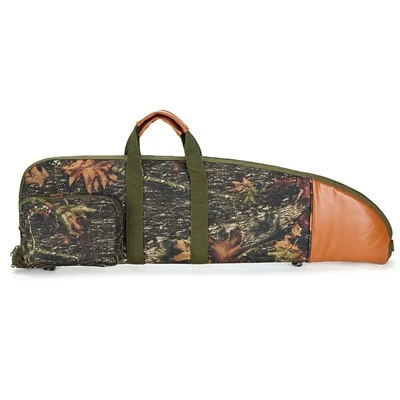
When it comes to tactical gear bags, one of the most critical aspects that directly influences their usability is their dimensions. As a seasoned supplier of tactical gear bags, I’ve witnessed firsthand how the size and proportions of these bags can either make or break their functionality in various real – world scenarios. Tactical Gear Bag
The Impact of Length and Overall Size
The length of a tactical gear bag is a fundamental dimension that affects its usability. In many high – intensity operations, where mobility is key, a shorter bag can offer distinct advantages. For special forces on a covert mission, a shorter bag allows for easier movement through tight spaces such as crawl spaces, ventilation ducts, or narrow alleyways. It reduces the risk of the bag getting caught on obstacles, which could otherwise compromise the mission by alerting the enemy or causing delays.
On the other hand, a longer tactical gear bag can be a better choice for extended operations. When a soldier or a law enforcement officer needs to carry a large quantity of equipment for a multi – day mission, a longer bag provides the necessary space. It can accommodate sleeping bags, extra clothing layers, rations, and additional ammunition. For example, in a military field exercise that spans several days in a remote area, a longer bag allows the troops to carry all the supplies they need to stay self – sufficient until they reach the next support point.
The overall size of the bag also impacts portability. A larger bag, although it can hold more items, may be cumbersome to carry for long periods. It could put additional strain on the user’s back and shoulders, especially if the weight inside the bag is not evenly distributed. Smaller and more compact bags, however, are easier to handle and can be carried for extended periods without causing excessive fatigue. This is particularly important in situations where the user is on the move constantly, such as in a search – and – rescue mission.
The Role of Width
Width is another crucial dimension. A wider bag provides more surface area for attaching additional pouches or accessories. In modern tactical operations, soldiers and operators often need to carry a variety of tools and equipment. A wider bag can be customized with MOLLE (Modular Lightweight Load – carrying Equipment) webbing, allowing for the attachment of extra magazine pouches, first – aid kits, or communication devices. This modularity enhances the bag’s functionality and allows the user to adapt the bag to different mission requirements.
However, a very wide bag can have its drawbacks. It can make the bag more difficult to maneuver through tight spaces. In urban combat or in a crowded environment, a wide bag may bump into walls or other objects, making it less practical. Moreover, a wide bag may also increase the profile of the user, making them more visible to the enemy. Therefore, finding the right balance in width is essential. A moderately wide bag that provides enough space for attachments while still being maneuverable is often the ideal choice.
The Significance of Height
The height of a tactical gear bag is closely related to its storage capacity. A taller bag can provide more vertical space for storing long items such as rifles, binoculars, or collapsible poles. In military or law – enforcement operations where these long items are frequently used, a taller bag is essential. For example, a sniper may need a tall bag to safely transport their rifle and associated accessories, ensuring that the weapon is not damaged during transit.
Nonetheless, a very tall bag can sometimes be unstable. If the weight inside the bag is concentrated towards the top, it can cause the bag to tip over easily, especially when placed on uneven surfaces. This can be a significant problem in a combat situation, where a fallen bag may expose the contents or make a noise that alerts the enemy. To mitigate this issue, some tactical bags are designed with a lower center of gravity, which helps to keep the bag stable even when it is tall.
Depth Considerations
Depth is an often – overlooked dimension, but it has a profound impact on the usability of a tactical gear bag. A deeper bag can provide more storage volume, allowing the user to carry bulkier items. For instance, in a camping – inspired tactical scenario, a deep bag can hold bulky sleeping pads, large water containers, or a heavy – duty tent.
However, a deep bag can also make it difficult to access items stored at the bottom. This can be a serious problem in a high – pressure situation where quick access to specific equipment is crucial. To address this issue, many modern tactical bags are designed with multiple compartments and dividers. These features help to organize the contents of the bag, making it easier to find and retrieve items, even in a deep bag.
Usability in Different Environments
The dimensions of tactical gear bags also have a significant impact on their usability in different environments. In an urban environment, where space is limited and the need for quick movement is high, smaller and more compact bags are often preferred. These bags allow the user to blend in with the crowd and move through narrow streets and buildings with ease.
In a rural or wilderness environment, on the other hand, larger bags are more common. The need to carry extensive supplies for long – term self – sufficiency is greater in these areas. A larger bag with the right dimensions can hold all the necessary gear for camping, hunting, or survival in the great outdoors.
Adaptability and Ergonomics
The ergonomic design of a tactical gear bag is closely related to its dimensions. A well – designed bag with the right length, width, height, and depth will distribute the weight evenly across the user’s body. This reduces the strain on the back and shoulders, making it more comfortable to carry for extended periods. For example, a bag with adjustable straps and a padded back panel can enhance the ergonomics of the bag, regardless of its overall size.
Moreover, the dimensions of the bag also affect its adaptability. A bag that can be easily adjusted or reconfigured to fit different mission requirements is highly valuable. For instance, a modular bag with detachable compartments can be customized to carry different combinations of equipment depending on the nature of the mission.
Conclusion
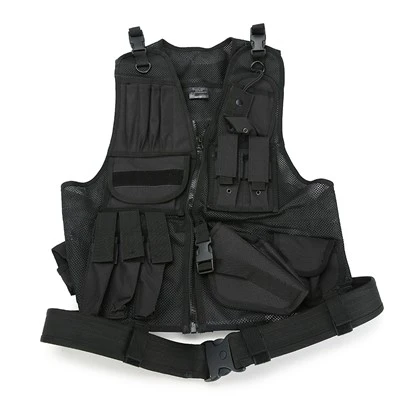
In conclusion, the dimensions of tactical gear bags play a pivotal role in determining their usability. Each dimension, from length and width to height and depth, has its own set of advantages and disadvantages. As a supplier of tactical gear bags, understanding these factors is crucial for designing and manufacturing bags that meet the diverse needs of our customers.
Tactical Gear Whether you’re a member of the military, law enforcement, or an outdoor enthusiast, choosing the right dimensions for your tactical gear bag can significantly enhance your performance in the field. If you’re looking for high – quality tactical gear bags that are designed with the perfect balance of dimensions and functionality, I invite you to contact me to discuss your specific requirements. I’m confident that we can find the ideal solution for your needs.
References
- "Tactical Equipment Handbook" by John Smith
- "Ergonomic Design in Military Gear" published by the Military Research Institute
- "Advanced Tactics in Modern Combat" by David Johnson
Quanzhou Jinbei Bags Co., Ltd.
As one of the most professional tactical gear bag manufacturers and suppliers in China, we have world-leading production equipment and strong manufacturing capabilities. Please feel free to buy bulk high quality tactical gear bag for sale here from our factory. Customized orders are welcome.
Address: 302, NO. 158-17, EAST DISTRICT, TANDING, HESHI, LUOJIANG , QUANZHOU, FUJIAN, CHINA
E-mail: jinbeibags@126.com
WebSite: https://www.jinbeibags.com/
