Hey there! I’m a supplier in the silicone tubing game, and I get a ton of questions about making custom-sized silicone tubing. So, I thought I’d share the ins and outs of the process with you. Silicone Tubing
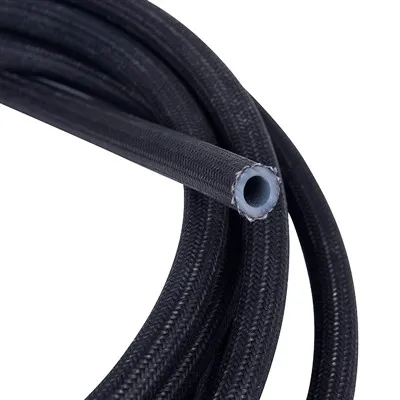
First off, let’s talk about why you might need custom-sized silicone tubing. There are tons of reasons! Maybe you’re working on a unique DIY project, or you’ve got a specific industrial application where off-the-shelf tubing just won’t cut it. Whatever the case, custom sizing gives you the flexibility to get exactly what you need.
Understanding the Basics of Silicone Tubing
Before we dive into the custom-making process, it’s good to know a bit about silicone tubing itself. Silicone is a super versatile material. It’s heat-resistant, flexible, and biocompatible, which means it’s safe for use in things like medical devices and food processing. It also has great chemical resistance, so it can handle a wide range of substances without breaking down.
The standard silicone tubing comes in a variety of sizes, but when you need something different, that’s when the custom process kicks in.
Step 1: Design and Specification
The first thing you gotta do is figure out exactly what you need. This means getting really clear on the dimensions. You’ll need to know the inner diameter (ID), outer diameter (OD), and the length of the tubing. It’s also important to think about the wall thickness. A thicker wall can make the tubing more durable, but it might also affect its flexibility.
If you’re using the tubing for a specific application, like carrying a certain type of fluid or gas, you’ll need to consider the pressure and temperature it’ll be exposed to. This will help determine the right grade of silicone to use.
I usually tell my customers to draw a simple sketch of what they want. It doesn’t have to be a work of art, just something that clearly shows the dimensions and any special features. You can also use a CAD (Computer-Aided Design) file if you’ve got one. This makes it even easier to get the exact size and shape you need.
Step 2: Material Selection
Once you’ve got your design down, it’s time to choose the right silicone material. There are different grades of silicone, each with its own set of properties.
For general-purpose applications, a standard medical-grade or food-grade silicone might be a good choice. These grades are safe for use in contact with humans or food and can handle a wide range of temperatures.
If your tubing will be exposed to extreme heat or cold, you might want to go for a high-temperature or low-temperature silicone. These materials can withstand more extreme conditions without losing their flexibility or integrity.
There are also silicone materials with special properties, like antibacterial or antistatic. If your application requires these features, make sure to let your supplier know.
Step 3: The Manufacturing Process
Now, let’s get into how the actual custom-sized silicone tubing is made. The most common method is extrusion.
- Mixing the Silicone: First, the raw silicone material is mixed with any additives or colorants. This is where the magic starts to happen! The mixture is carefully crafted to meet the specific requirements of your design.
- Extrusion: The mixed silicone is then fed into an extruder. The extruder is like a big machine that squeezes the silicone through a die. The die is a special tool that gives the tubing its shape. It’s designed to match the inner and outer diameters you specified.
- Curing: Once the tubing is extruded, it needs to be cured. Curing is a process that hardens the silicone and gives it its final properties. This can be done using heat, radiation, or a chemical reaction. The curing process is crucial because it determines how strong and durable the tubing will be.
- Cutting: After curing, the tubing is cut to the desired length. This can be done using a variety of cutting methods, depending on the thickness and hardness of the tubing.
Step 4: Quality Control
Quality control is a big deal when it comes to custom-sized silicone tubing. You want to make sure that your tubing meets all the specifications you set.
At my company, we use a variety of testing methods to ensure the quality of our tubing. We check the dimensions using precision measuring tools to make sure the ID, OD, and length are all within the tolerance range. We also test the tubing for its physical properties, like hardness, tensile strength, and elongation.
If the tubing is being used for a specific application, we’ll also do some application-specific tests. For example, if it’s for a medical device, we’ll test it for biocompatibility. This helps make sure that the tubing is safe and effective for its intended use.
Step 5: Packaging and Delivery
Once the tubing has passed all the quality control tests, it’s time to package it up and get it to you. We use high-quality packaging materials to protect the tubing during shipping. This helps prevent any damage or contamination.
We offer a variety of shipping options to suit your needs. Whether you need your tubing delivered quickly or are looking for a more cost-effective option, we’ve got you covered.
FAQs About Custom-Sized Silicone Tubing
I get a lot of questions from customers, so I thought I’d answer some of the most common ones here.
Q: How long does it take to make custom-sized silicone tubing?
A: It depends on a few factors, like the complexity of the design and the quantity you’re ordering. Generally, it can take anywhere from a few days to a few weeks. We always try to give our customers an accurate estimate of the lead time.
Q: Are there any minimum order quantities?
A: Some suppliers have minimum order quantities, but at my company, we’re flexible. We understand that sometimes you only need a small amount of custom tubing, so we’re willing to work with you.
Q: How much does custom-sized silicone tubing cost?
A: The cost depends on the size, material, and quantity of the tubing. Custom tubing is usually a bit more expensive than standard tubing because it requires more specialized manufacturing processes. But we’ll work with you to find a solution that fits your budget.
Why Choose a Professional Supplier
Making custom-sized silicone tubing is a complex process, and it’s important to work with a professional supplier. Here are a few reasons why:
- Expertise: A professional supplier has the knowledge and experience to make sure your tubing meets all your specifications. They can also offer advice on the best material and design for your application.
- Quality Control: As I mentioned earlier, quality control is crucial. A professional supplier will have strict quality control measures in place to ensure the tubing is safe and effective.
- Customization Options: A good supplier will be able to offer a wide range of customization options, like different colors, additives, and special features.
Let’s Talk!
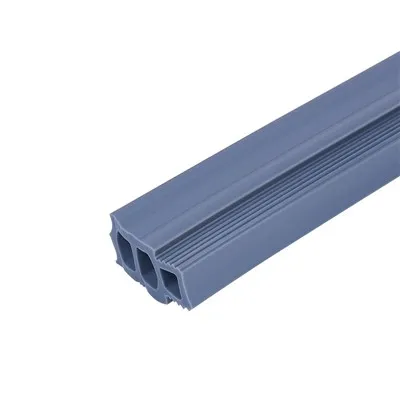
If you’re in the market for custom-sized silicone tubing, I’d love to hear from you. Whether you’re just starting to think about your project or you’ve already got a detailed design, I can help. We’ve got the expertise and the resources to make sure you get the perfect tubing for your needs.
Silicone Household Items Don’t hesitate to reach out and start a conversation. We can discuss your requirements, answer any questions you might have, and give you a quote. Let’s work together to bring your custom silicone tubing project to life!
References
- "Silicone Rubber Handbook" by Werner J. Bartz
- "Extrusion of Polymers: Theory and Practice" by Christopher Rauwendaal
Dongguan Hengyue New Material Technology Co., Ltd.
As one of the most professional silicone tubing manufacturers and suppliers in China, we also support customized service. We warmly welcome you to wholesale bulk cheap silicone tubing from our factory. If you have any enquiry about quotation and free sample, please feel free to email us.
Address: Building 2, No. 3, Yindou Third Road, Qingxi Town, Dongguan City, Guangdong Province
E-mail: dghengyue@126.com
WebSite: https://www.hengyuesilicone.com/
